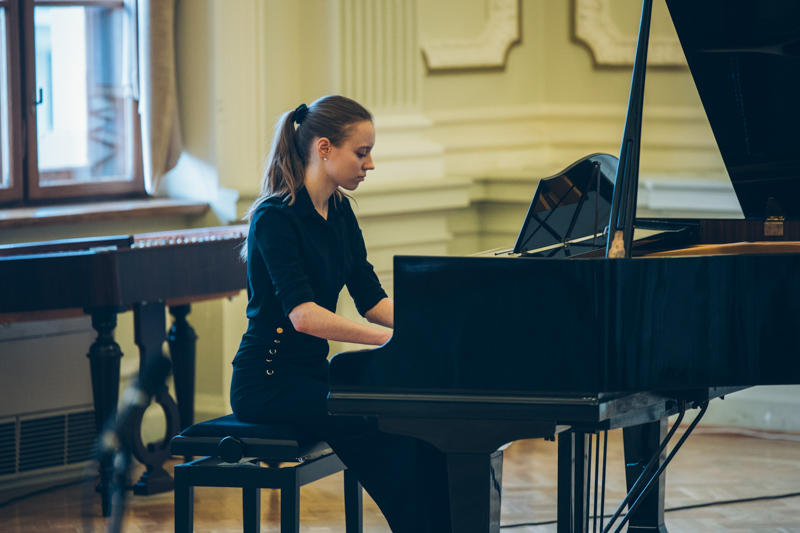
On April 9, 2026, the University of Szeged held its annual Student Arts Competition – a long-standing event with a history spanning more than three decades – as a prelude to the 21st SZTE Spring Festival. Hosted in the Ceremonial Hall of the University’s Main Building, the competition brought together full-time and PhD students, who showcased their talent in classical and folk music, jazz, musical and chanson singing, as well as poetry recitation, performing both as soloists and in chamber ensembles.
A distinguished professional jury evaluated the performances at this year’s Student Arts Competition, with the most outstanding performers receiving awards and cash prizes. The panel included Gabriella Tajti, Head of the Cultural Office at the University of Szeged; Krisztina Hegedűs-Varga, Deputy Director for Public Relations at SZTE’s Directorate for International Affairs and Public Relations; Dr. Zoltán Zsigmond, pianist and professor at SZTE’s Béla Bartók Faculty of Arts; László Barnák, General Director of the Szeged National Theater; and Kornél Varga, folk musician and arts director. Drawing on a broad range of artistic expertise, the jury provided participants with thoughtful, genre-specific feedback across all categories.
  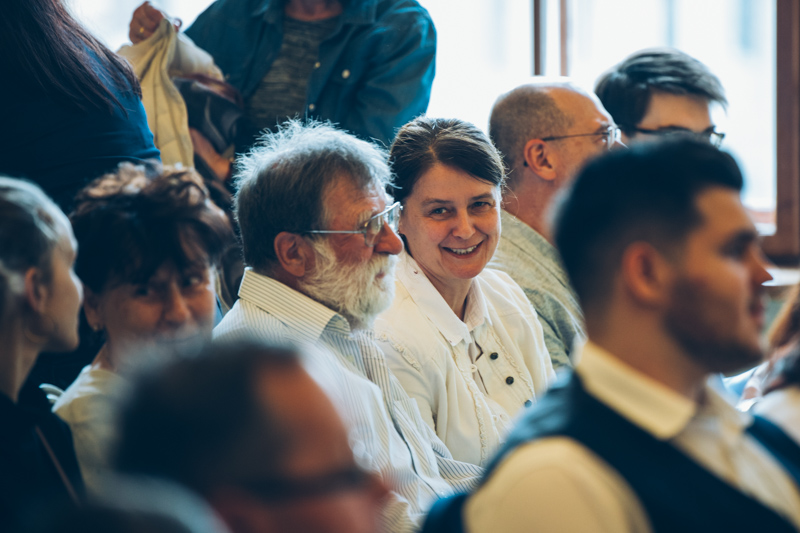     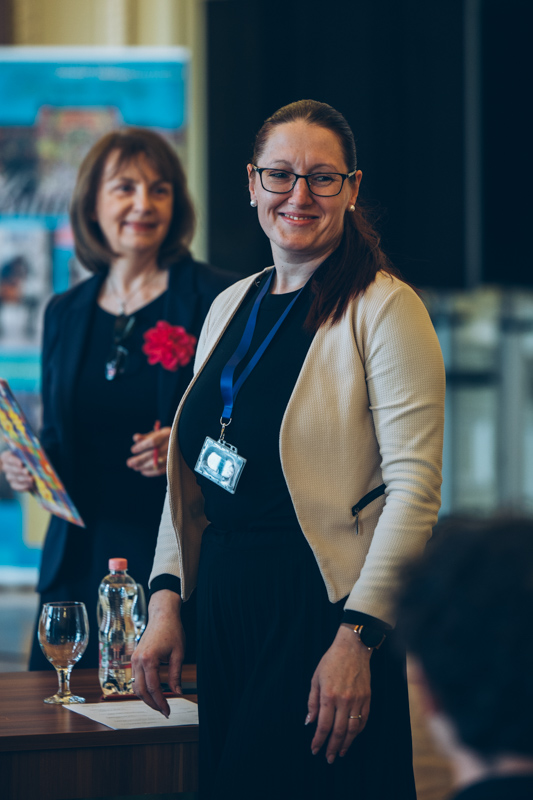 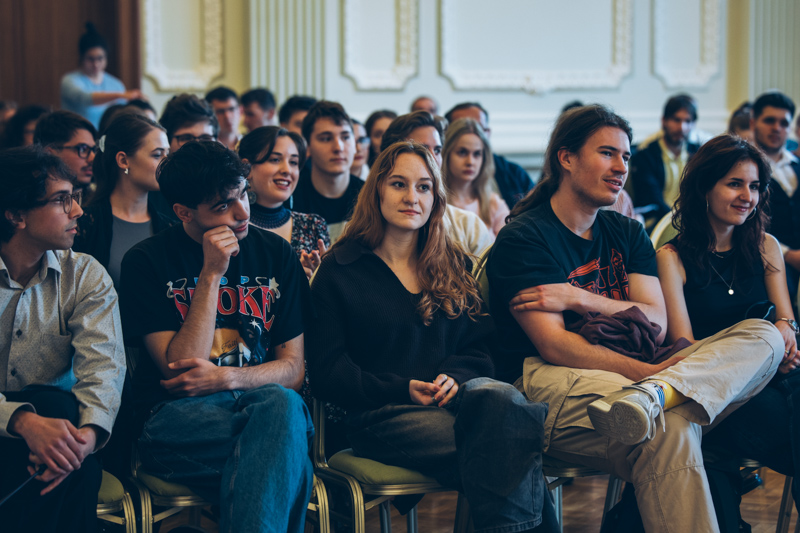 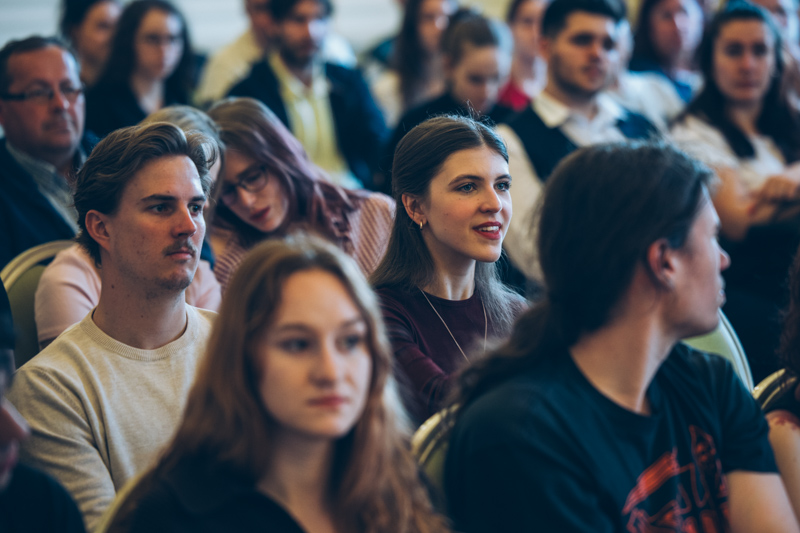 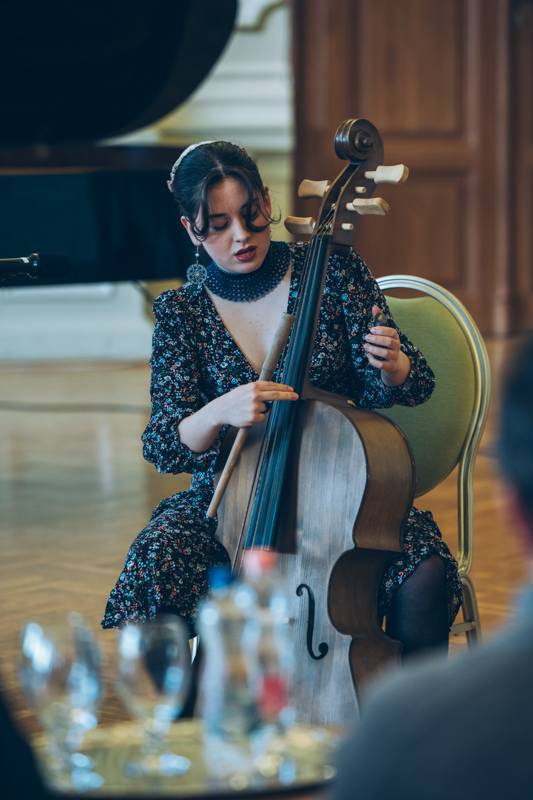   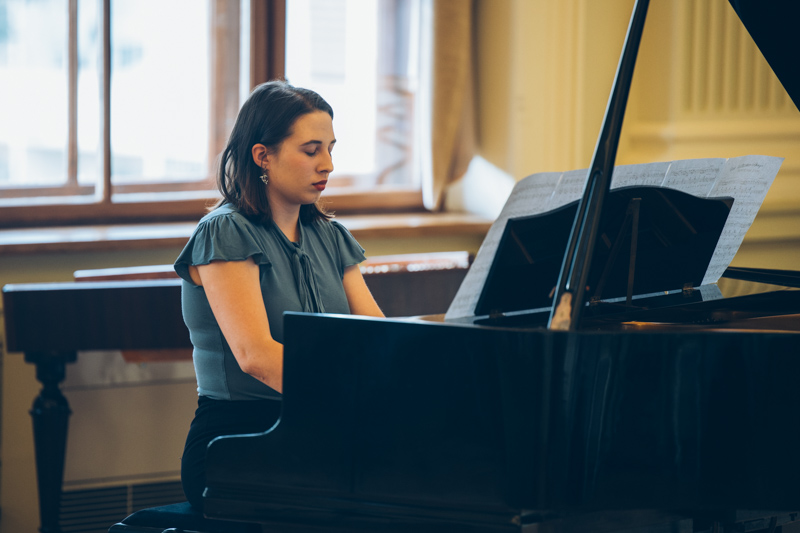        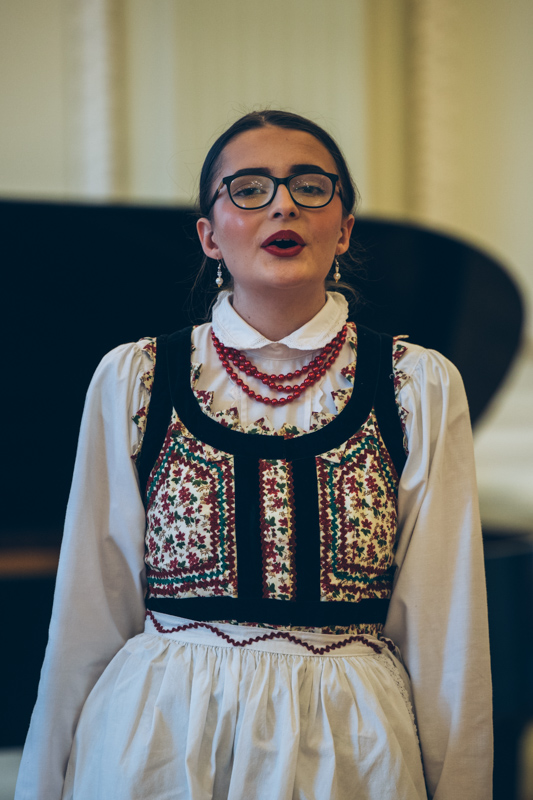     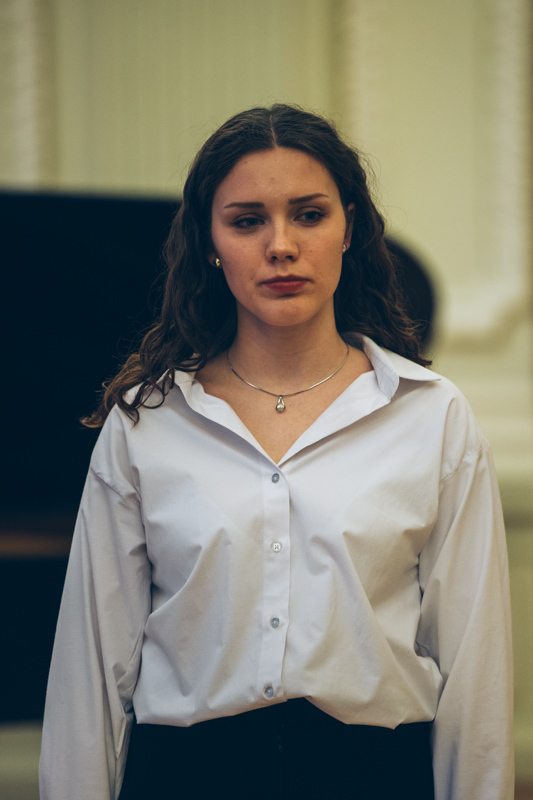 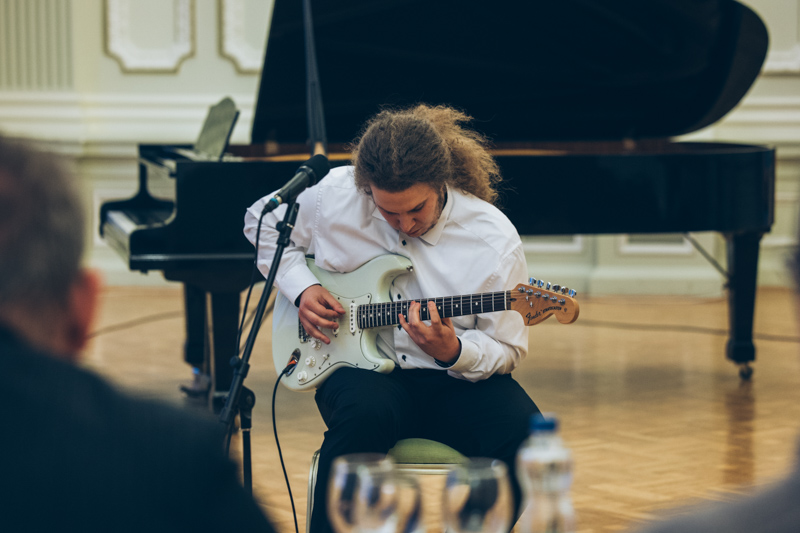 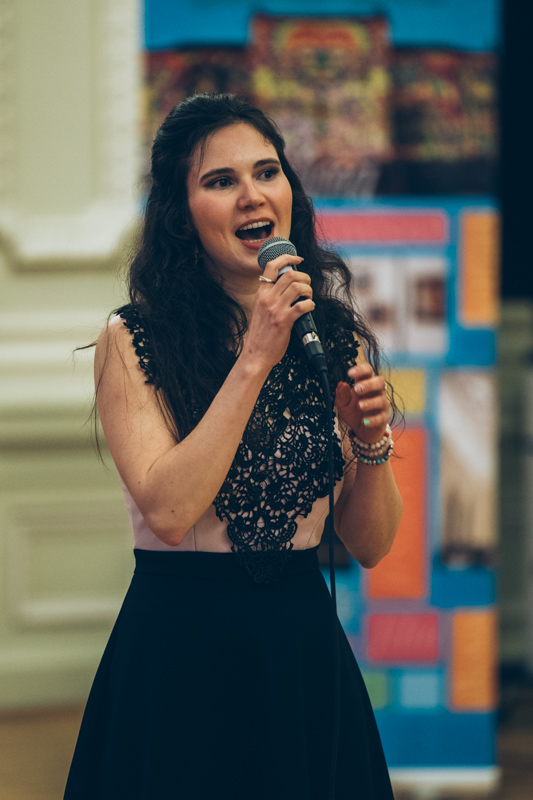 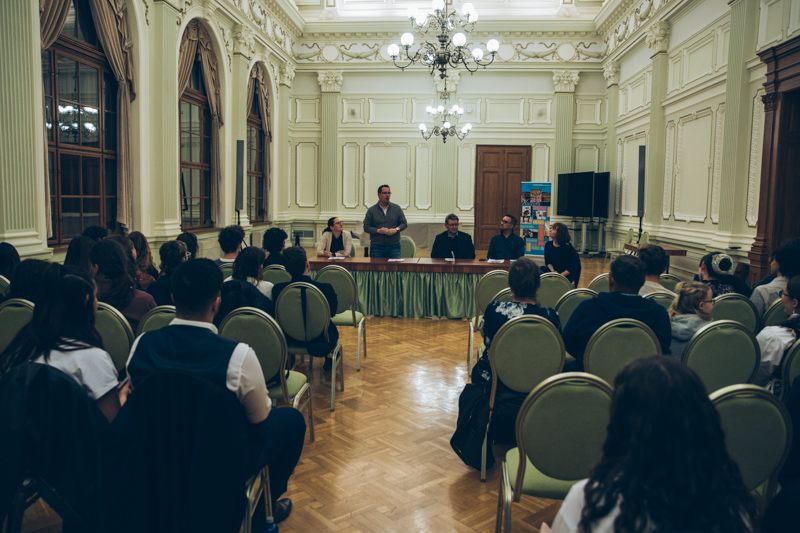            |
| SZTE’s Student Arts Competition once again showcased the richness and diversity of emerging talent. Photo gallery by Dávid Miskolci |
Following the opening remarks, around twenty-five students took to the stage, and the program quickly revealed the breadth and vibrancy of the university’s artistic community. The evening opened with the Sonare Duo, whose interpretation of works by Bach and Mozart set an elegant yet intense tone. A sharp but effective shift followed as the program turned to folk music: Vivien Zádori delivered a clear and expressive performance, made all the more authentic by zither accompaniment. A defining moment of the evening came with Márton András Tóth’s accordion rendition of Piazzolla’s iconic Libertango, which infused the hall with renewed energy. These standout performances were complemented by a series of equally accomplished productions, all contributing to the rich and colorful character of the program.

Photo by Dávid Miskolci
A strong sense of excitement and intensity ran throughout the competition, underscoring how much the moment mattered to each performer. The depth of talent was immediately apparent, rewarding the audience with an evening of outstanding performances.
Reciter Hanga Kulcsár-Elek spoke warmly about the atmosphere of the competition, highlighting the exceptional strength of the field. Although she was not among the prize winners, she said she fully accepted the jury’s decision. “I really enjoyed the competition – I didn’t expect the standard to be so high,” she remarked, adding that she hopes to return better prepared and ready to put herself to the test again.
Before the results were announced, László Barnák, General Director of the Szeged National Theater, shared a personal reflection with the participants, describing the evening as a rare and rewarding encounter with emerging talent. He emphasized that the competition’s true strength lies in its remarkable diversity: the wide range of instruments, genres, poems, and performance styles offered a vivid insight into how young artists think and express themselves today. For him, the most compelling moments were those of genuine authenticity. “What matters most is when someone can reveal their true self through poems, songs, or instruments,” he said.
The General Director added that the jury faced a difficult decision – a clear reflection of the competition’s exceptionally high standard. Yet, as he noted, the experience felt less like a challenge than a privilege, offering the panel the opportunity to hear so many outstanding performances. In closing, he encouraged the students to remain committed to their chosen path and to see every competition not simply as a test, but as an opportunity for growth, discovery, and self-expression.
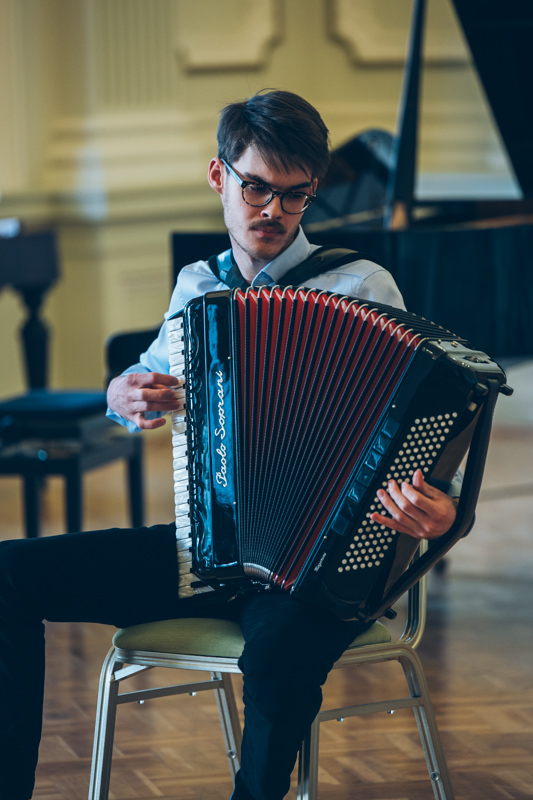
Photo by Dávid Miskolci
In recognition of the many outstanding performances, the jury awarded multiple first, second, and third prizes across the classical music, folk music, jazz–musical–chanson, and recitation categories, with honors shared among the competition’s standout performers.
Third prize in the jazz, musical, and chanson category was awarded to Jakab Zsombor Rádai, a first-year medical student who has been passionate about singing since childhood. He noted that taking part in artistic programs in addition to his university studies is especially important to him, providing a valuable space for creative expression alongside his medical training.
“Medical students can easily become completely absorbed in their studies, so it was especially refreshing to step out of the dissection room and into the world of the arts. This year’s competition was particularly meaningful for me, as it was my first time taking part. The overall standard of the performances was incredibly high, and if given the opportunity, I would gladly apply again next year.”

Photo by Dávid Miskolci
In the recitation category, first prize was awarded to Nóra Júlia Pintér, a first-year psychology student. Although the result came as a surprise, she was delighted that her performance resonated so strongly with both the audience and the jury. “I was genuinely surprised – I’m very happy that my performance was so well received,” she said. Her decision to enter the competition, she added, was a spontaneous one. “I’ve loved reciting poetry since childhood, and I missed having it in my everyday life. My roommates told me about the opportunity, and I thought I’d give it a try.”
Among the competition’s most remarkable performers was Zsófia Anna I. Kővágó, a fourth-year medical student, who won first prize in the classical music category. Having played the piano for 15 years, she has already built an impressive list of achievements, with her category win at the Nyíregyháza National Piano Competition standing out as a career highlight. On the SZTE stage, she once again demonstrated the skill, discipline, and artistry that define her performances. Speaking about her repertoire, she noted that she feels most at home in the works of Chopin and Bach, which is why she chose to perform pieces by the two composers. Reflecting on learning music, she emphasized: “I don’t think it’s ever too late to start learning an instrument – it’s very much like sport in that respect.” She added that playing the piano is both a way to unwind and a constant source of joy in her life: “It’s something that brings me joy and helps me through everyday life.” As for her future plans, she considers music a hobby for now, but remains open to the possibility that it may take on a greater role in her life over time.
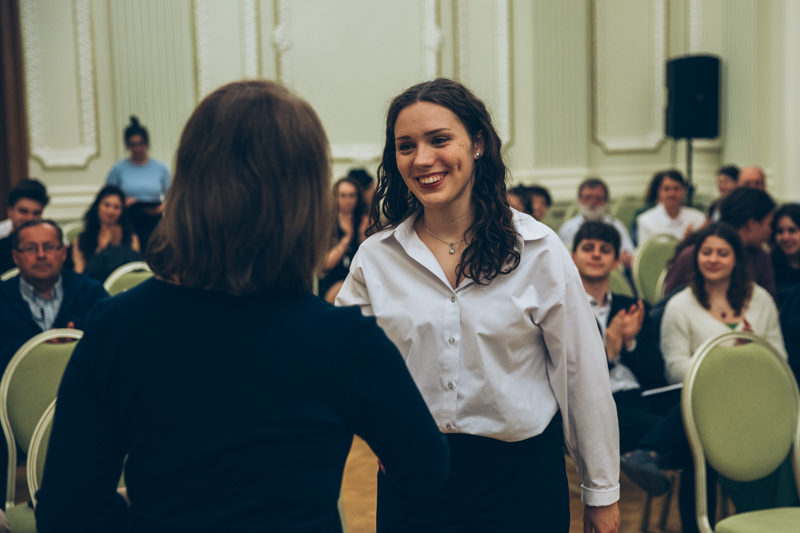
Photo by Dávid Miskolci
Those who attended this year’s Student Arts Competition witnessed more than a showcase of talent: they gained a glimpse into the creative energy shaping the future of SZTE. At the university, art is not separate from everyday life, but an integral part of it – one that continues to inspire, connect, and open new horizons with every note, every word, and every performance.
Original Hungarian article by Noémi Pap
Photos by Dávid Miskolci