The Chinese New Year began on February 17, 2026, ushering in the Year of the Fire Horse – a symbol of untamed energy, bold ambition, and transformative power. As Tao Qian, Chinese Director of the Confucius Institute at the University of Szeged, explained, this rare pairing within the traditional Chinese zodiac system – combining one of the twelve animal signs with one of the five elements – occurs only once every 60 years. “It encourages us to move forward with dynamism and determination,” she noted.
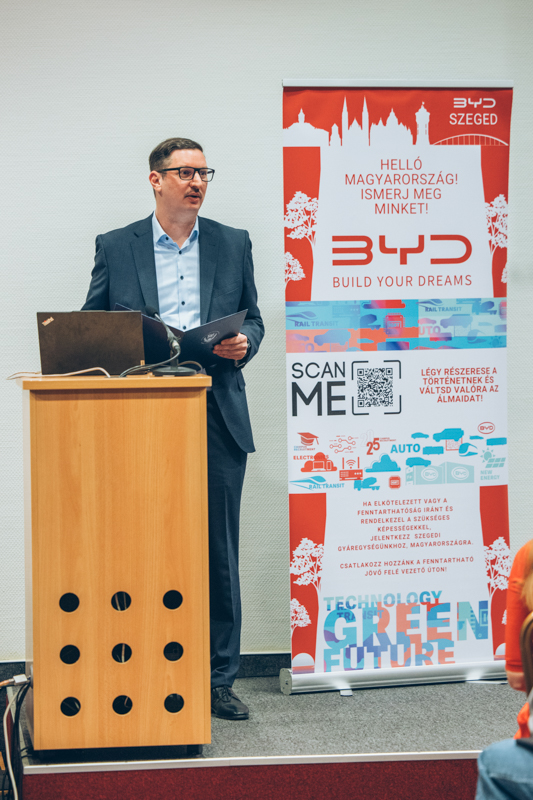
Péter Szakál, Director of Academic Affairs at the University of Szeged. Photo by Dávid Miskolci
Training the next generation of intercultural professionals
In recent years, Chinese companies – such as BYD – have launched major international investments, bringing capital, advanced technology, and new development opportunities to local communities. Yet global expansion also presents complex challenges. Many companies encounter significant intercultural obstacles: language differences can result in costly misunderstandings, contrasting work styles may create friction, and cultural gaps can ultimately affect long-term stability. All this underscores a crucial insight: cultural integration is not merely a ‘soft skill,’ but a strategic business imperative.
“Education is one of the most powerful tools for overcoming these barriers. Language is the gateway to understanding culture,” said Tao Qian. “Developing Chinese-language proficiency enables local employees to better understand the core values and workplace expectations of Chinese companies, while also ensuring smoother communication. At the same time, it facilitates the successful integration of Chinese firms into local society, further strengthening mutual trust and understanding.”
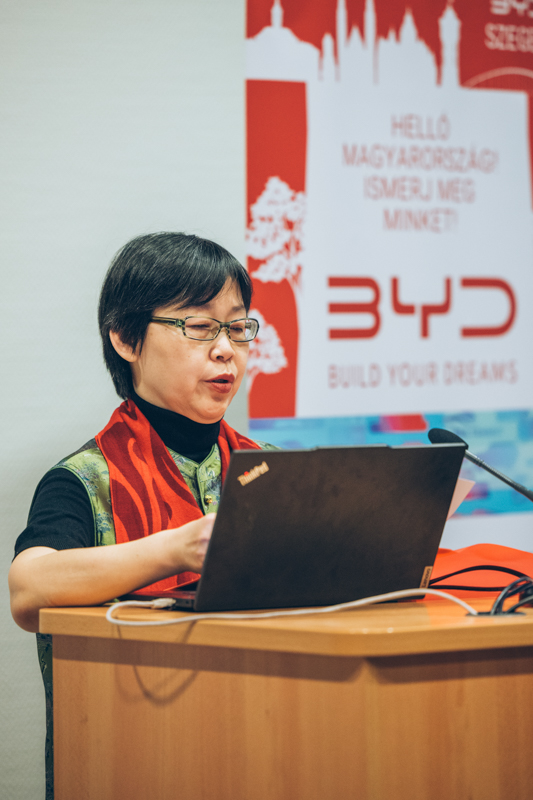
Tao Qian, Chinese director of the SZTE Confucius Institute. Photo by Dávid Miskolci
Bridging the university and corporate partners
A key pillar of SZTE’s educational strategy is the launch of innovative degree programs that deliver tangible value in today’s labor market. Achieving this goal requires close collaboration with industry partners, who contribute directly to both curriculum development and hands-on training.
“For the University of Szeged, it is essential that our students build direct connections with leading professionals in their fields during their studies,” said Péter Szakál. “The SZTE Career Office plays a pivotal role in this effort, acting as a bridge between the university, students, and corporate partners. Through a wide range of programs and platforms, it creates opportunities for employers and future employees to connect, exchange insights, and explore emerging trends together.”
Although BYD is one of the University’s newest corporate partners, the collaboration is already emerging as a model for industry–university cooperation. Most notably, on December 3, 2025, the University of Szeged and BYD signed a strategically significant framework agreement aimed at expanding professional internship opportunities for SZTE students at BYD’s external training sites.
The partnership brings together six faculties: the Faculty of Law and Political Sciences; the Faculty of Humanities and Social Sciences; the Faculty of Economics and Business Administration; the Faculty of Engineering; the Faculty of Science and Informatics; and the Juhász Gyula Faculty of Education – reflecting the broad academic scope of the cooperation.
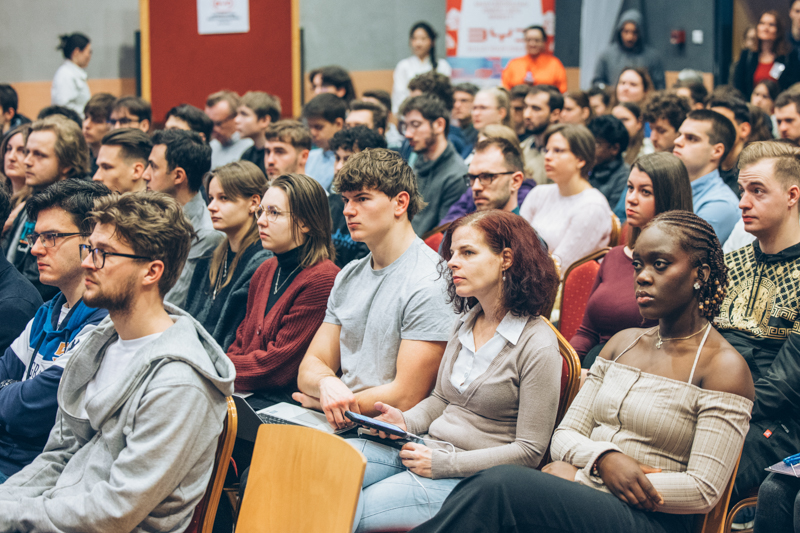
Photo by Dávid Miskolci
First steps in career building
As Zoey Zou, National HR Manager of BYD, emphasized, the company takes particular pride in the many talented graduates of the University of Szeged who have already joined its team. “Some bring valuable prior experience, while others are just beginning their professional journeys. What they all share, however, is a strong work ethic, a commitment to continuous learning, the drive to grow quickly, and the courage to explore new frontiers. SZTE graduates embody not only professional excellence, but also the promising future we are building together. We are deeply committed to further strengthening our partnership with the University of Szeged to support and inspire the next generation of engineers, specialists, and leaders. Together, we are not just creating opportunities – we are building bridges between cultures, knowledge, and people,” she said.
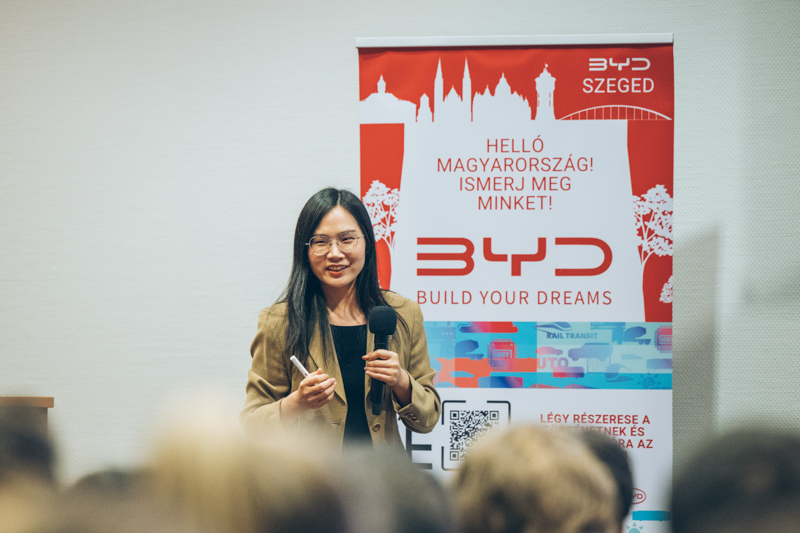
Zoey Zou, National HR Manager of BYD. Photo by Dávid Miskolci
Spring Festival celebration
The afternoon program turned the spotlight on the Spring Festival, marking the beginning of the Chinese New Year. One of China’s most important traditional holidays, the festival dates back thousands of years and ushers in the lunar new year – a time devoted to family reunions, renewal, and the exchange of heartfelt good wishes.
In the days leading up to the celebration, Chinese families carefully clean their homes, symbolically sweeping away the past year and preparing to welcome new beginnings. Red Spring Festival couplets and the Chinese character “fu” (meaning good fortune) adorn doors and windows, expressing hopes for happiness and prosperity. On New Year’s Eve, families come together for a festive dinner – considered the most intimate and meaningful moment of the celebration and a cherished tradition at the heart of the holiday.
Chinese Director of the Confucius Institute in Szeged, Tao Qian, highlighted the role of the Institute in strengthening cultural ties between the two countries:
“Since its founding, our institute has served as a living bridge between China’s rich cultural heritage and the diverse traditions of the local community. In our programs, we teach not only Chinese language and writing, but also share the wisdom of Confucian philosophy, the artistry of Chinese calligraphy, and the rich traditions of tea culture, along with the vibrant spirit of traditional festivals. This year, we have made significant strides in strengthening cultural connections: our language and cultural workshops have brought together local artists and Chinese instructors to create collaborative works that blend the traditional techniques of both cultures. Additionally, exchange programs with secondary schools have enabled young people to form lasting cross-border friendships, breaking down cultural barriers through open and meaningful dialogue. As we enter the Year of the Horse, we reaffirm our commitment to deepening people-to-people connections. We will continue to innovate in our teaching methods, organize enriching cultural programs, and expand cooperation with local communities, educational institutions, and businesses. Our aim is for the Confucius Institute at the University of Szeged to remain a vibrant center of cultural exchange – where every encounter nurtures mutual respect, every partnership strengthens friendship, and every achievement marks a new chapter in our shared journey,” Tao Qian said.
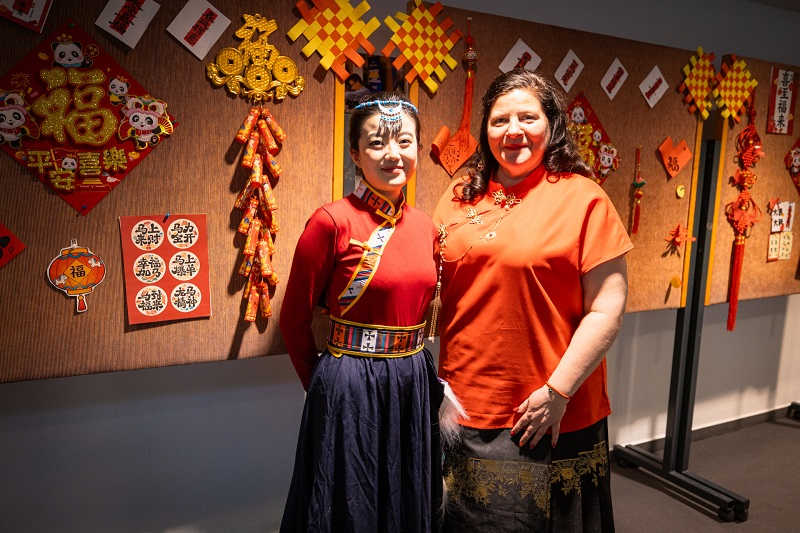
Photo by Ádám Kovács-Jerney
Dynamic growth, renewed drive, and shared joy
Tao Qian noted that this time of year is traditionally marked by lively Spring Festival customs – such as dragon and lion dances and illuminated lantern displays – that fill communities with energy and optimism. That same vibrant spirit came to life in the colorful stage performances at the SZTE event.
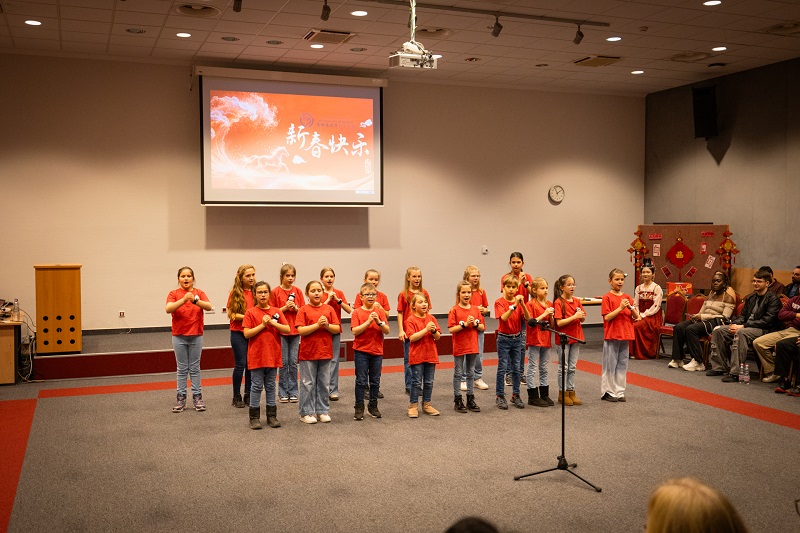
Performance by students from Kossuth Lajos Elementary School. Photo by Ádám Kovács-Jerney
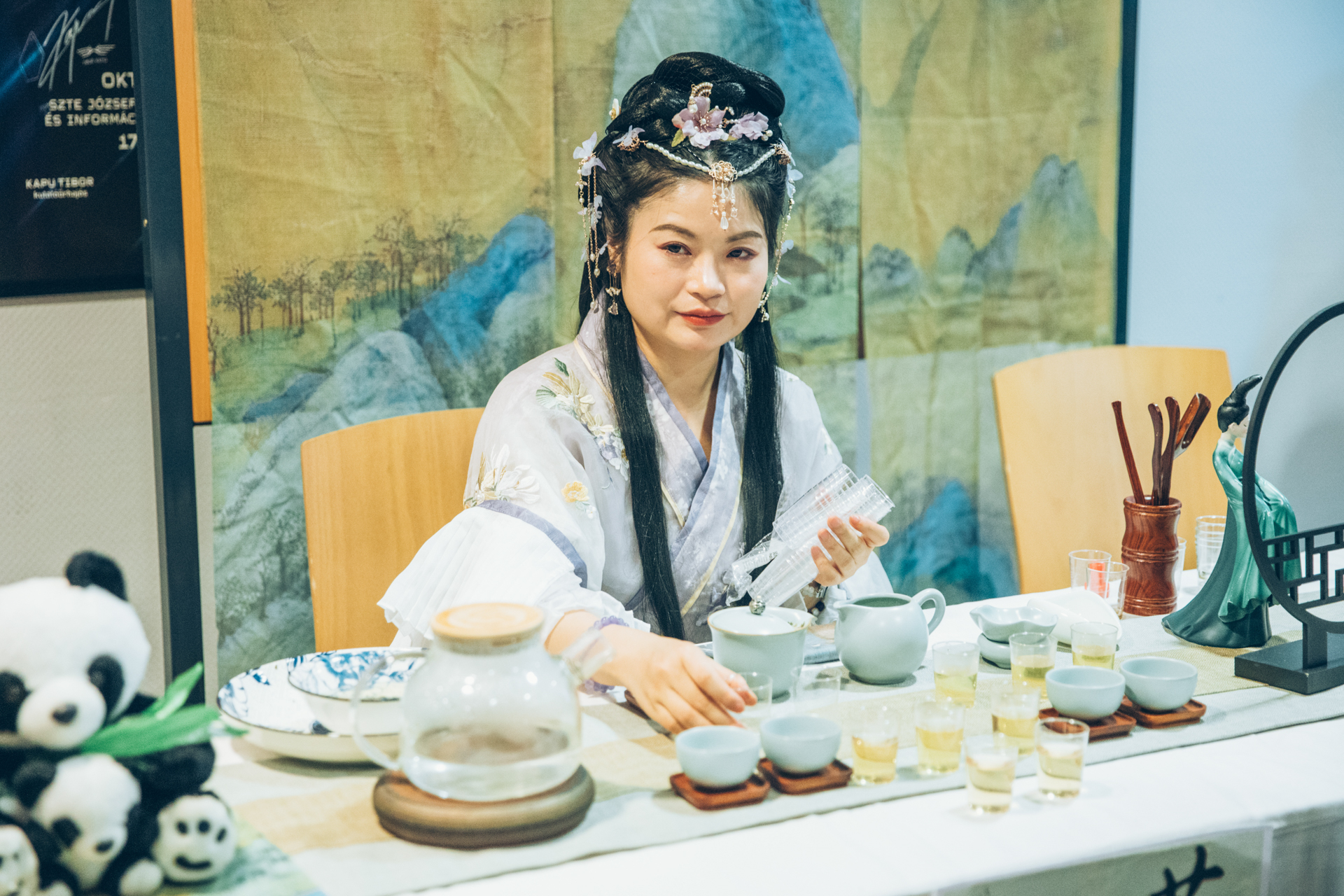
Throughout the afternoon, interactive stalls showcasing elements of Chinese culture drew enthusiastic crowds. Visitors explored the art of Chinese calligraphy and traditional mask painting, tried their hand at Chinese chess, and discovered the rituals of the Chinese tea ceremony. Creatively inclined participants crafted Spring Festival window decorations, while others tested their knowledge in a lively quiz on Chinese culture – adding both playfulness and learning to the celebration.
“I hope that the Year of the Fire Horse brings dynamic growth, renewed energy, peace, and happiness to us all,” said Prof. Dr. Péter Zakar, Hungarian Director of the SZTE Confucius Institute. “May the year ahead be filled with new opportunities, shared discoveries, and deeper understanding. Together, we can continue building bridges between our cultures – bridges founded on knowledge, respect, and friendship. I wish everyone a Happy New Year.”
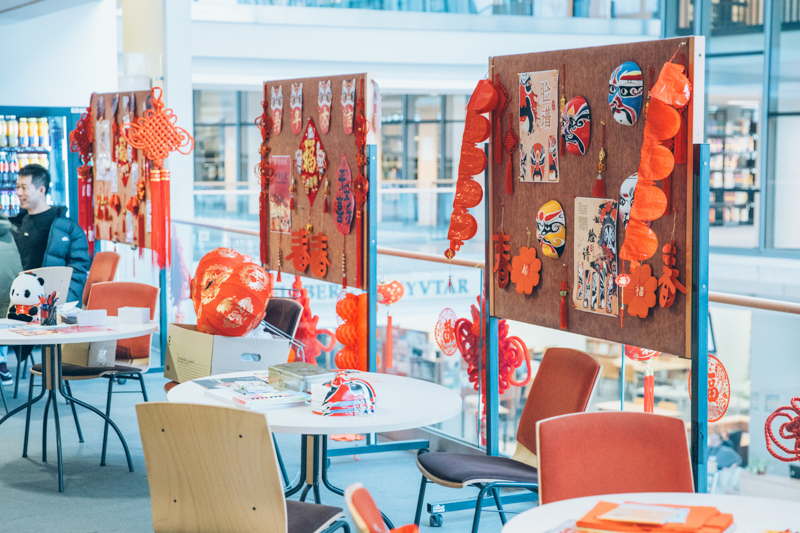 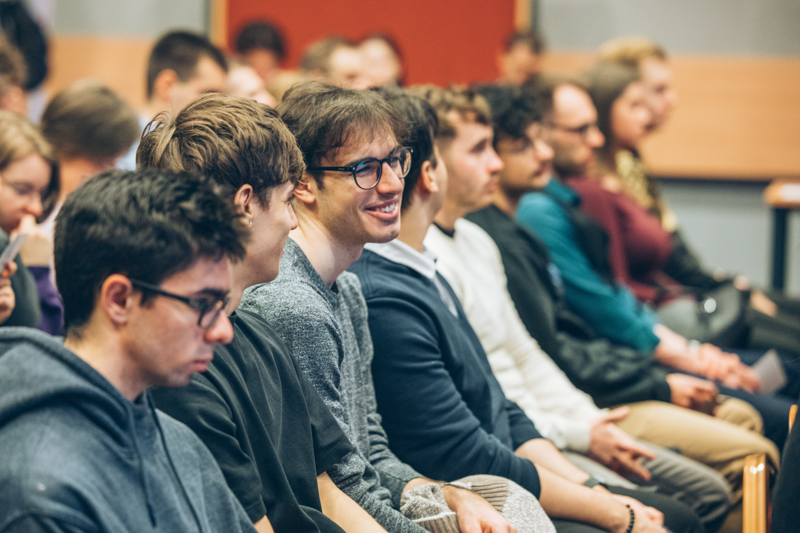 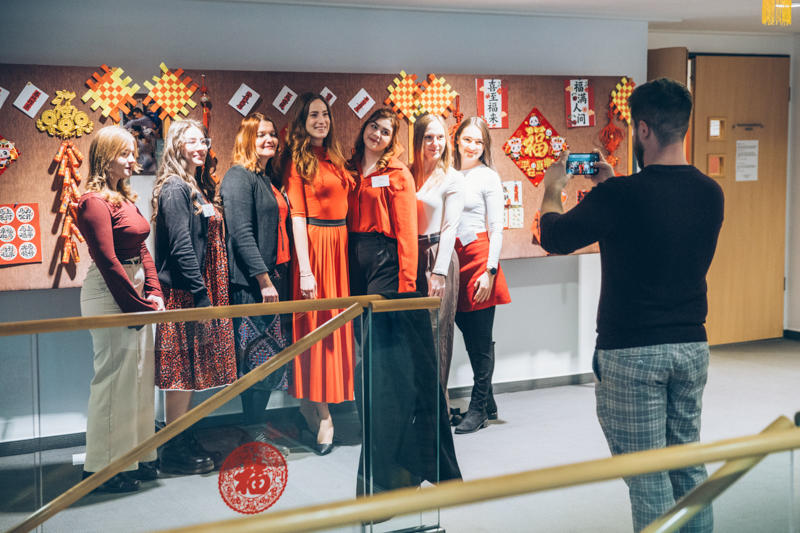 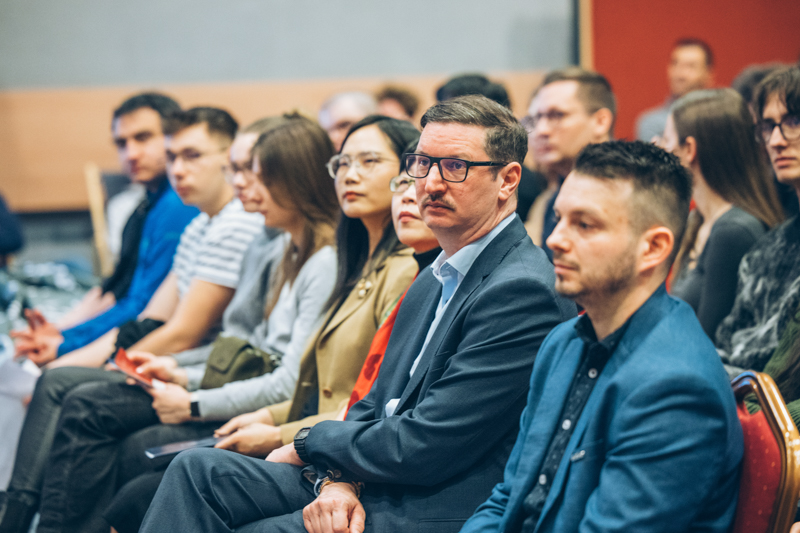 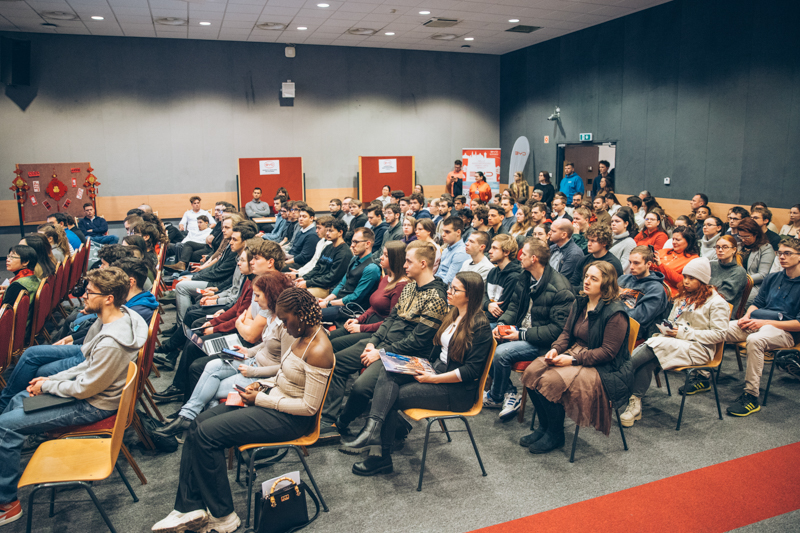 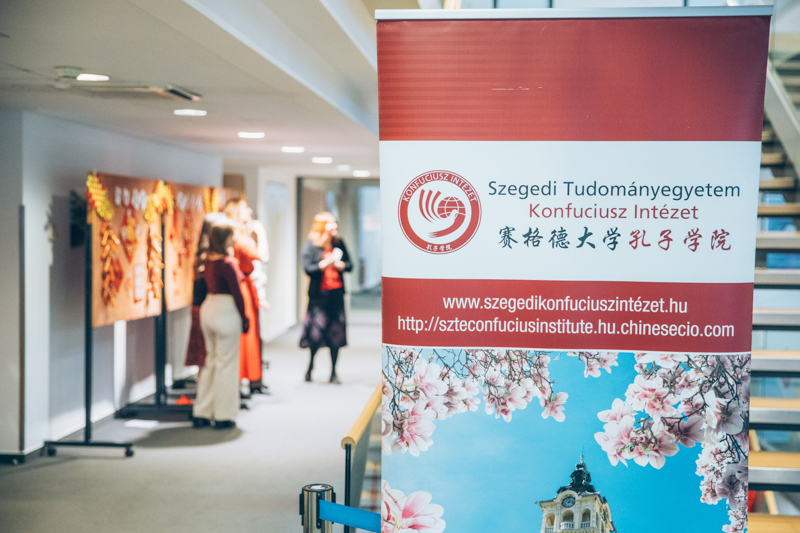 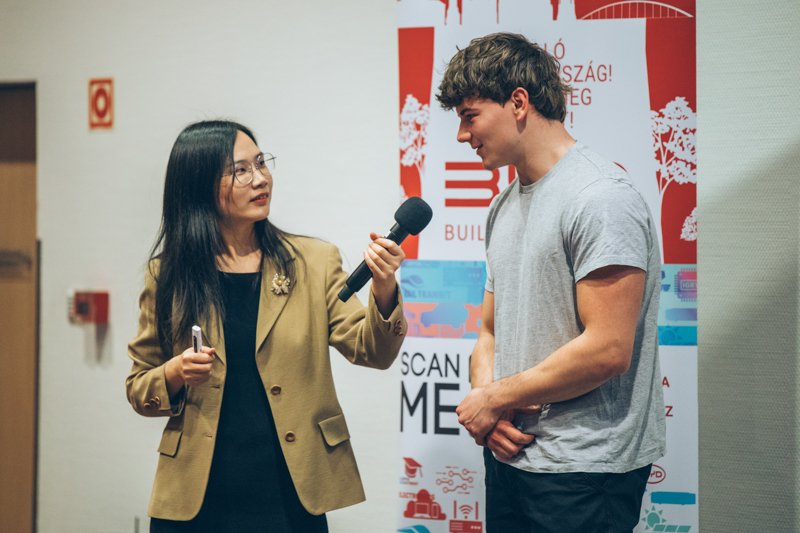  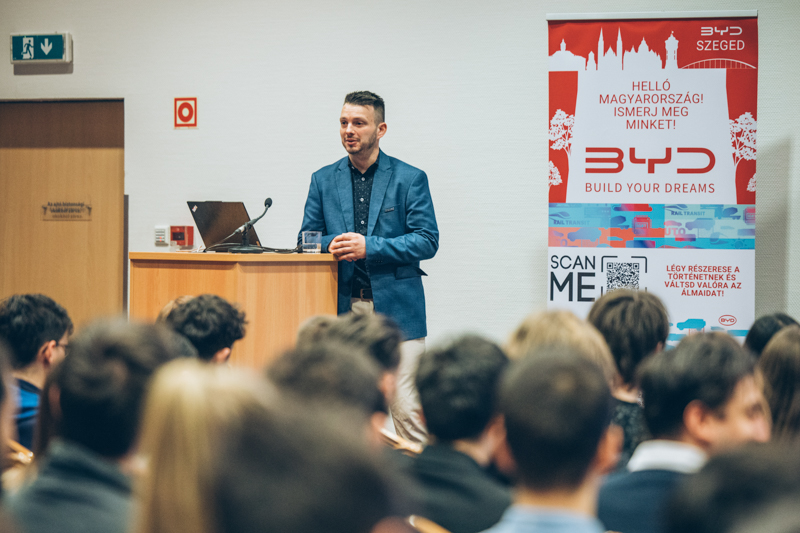 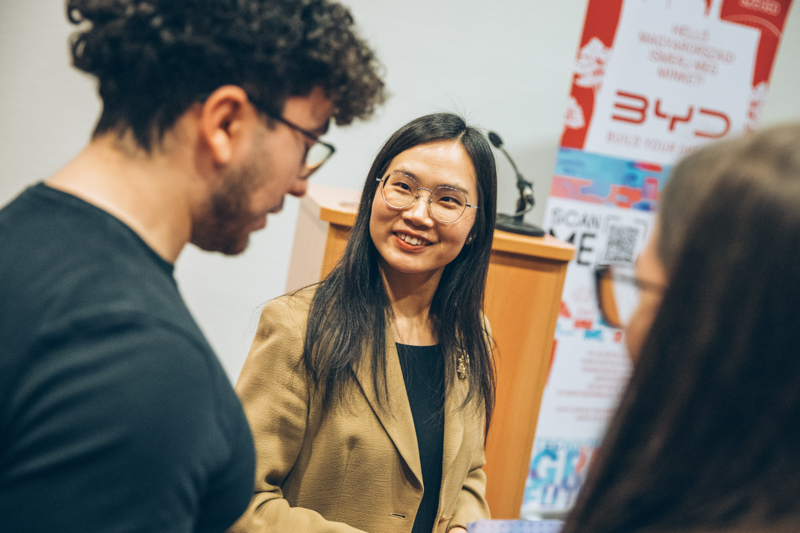 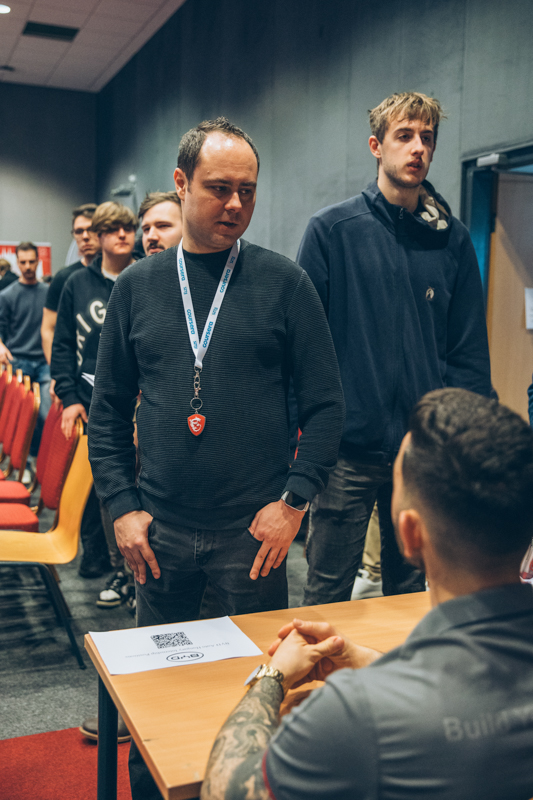 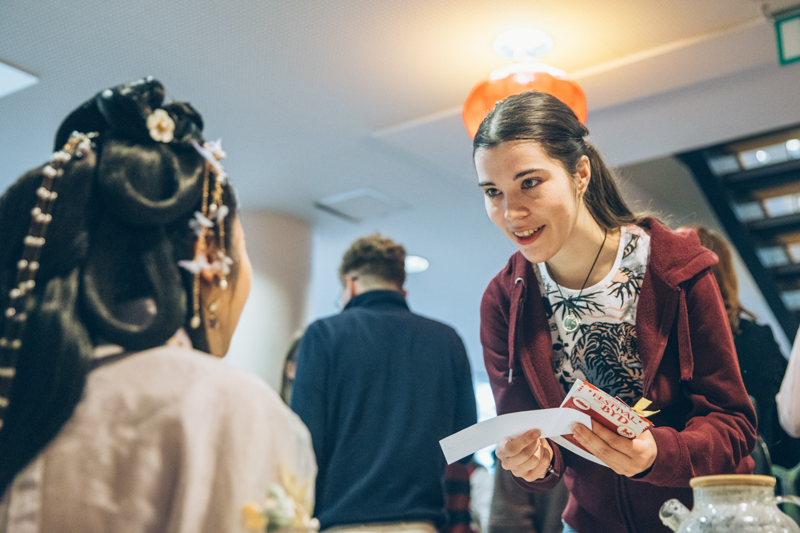  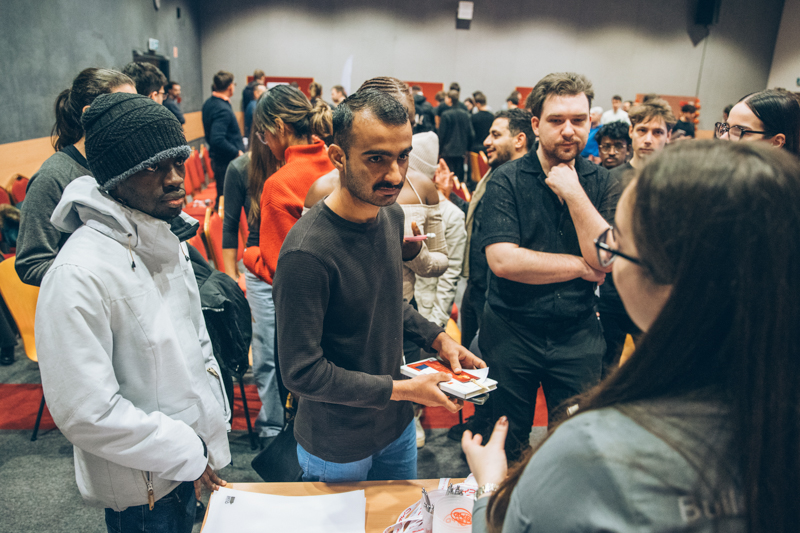 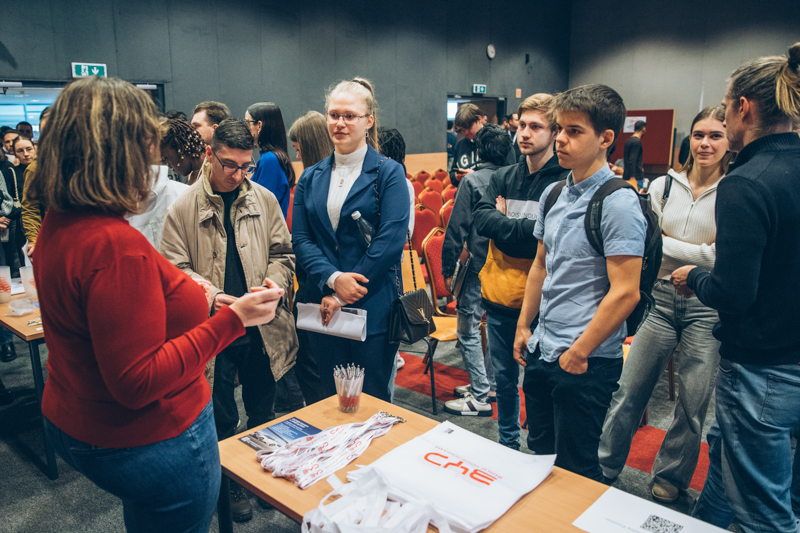 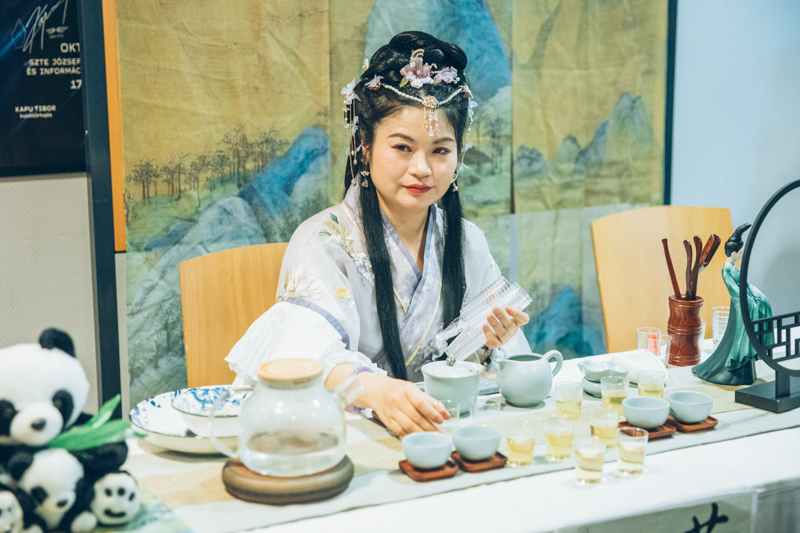 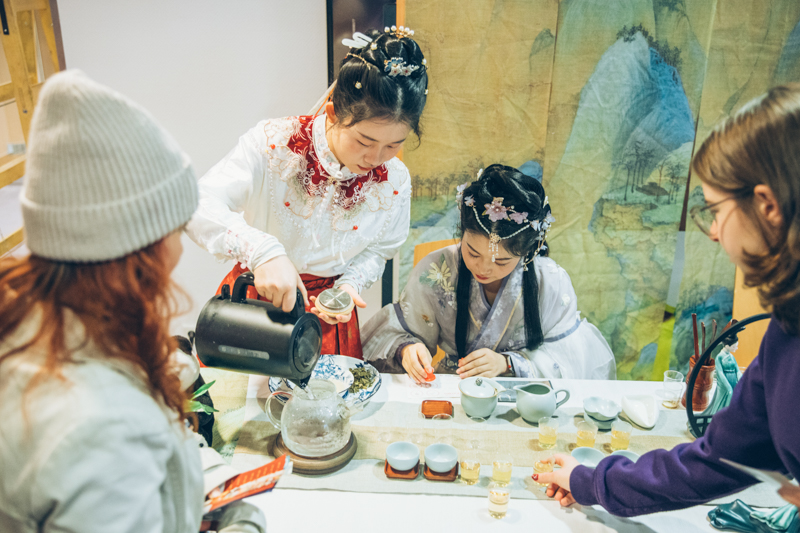 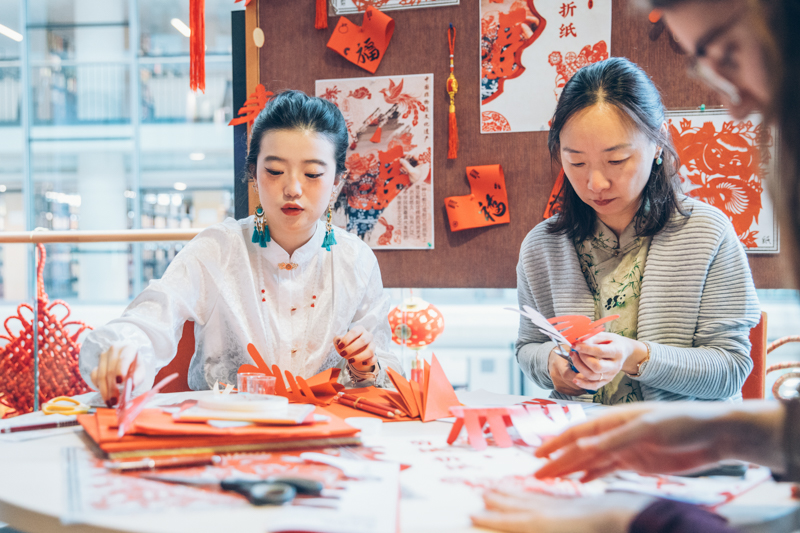 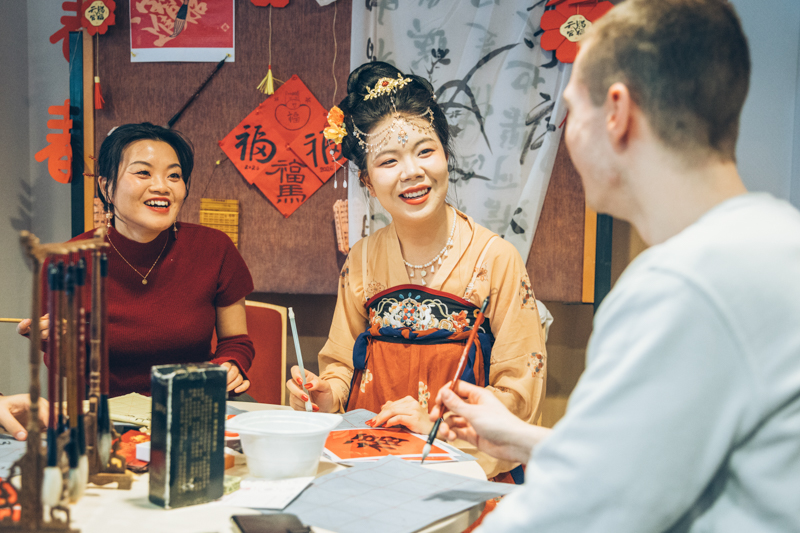  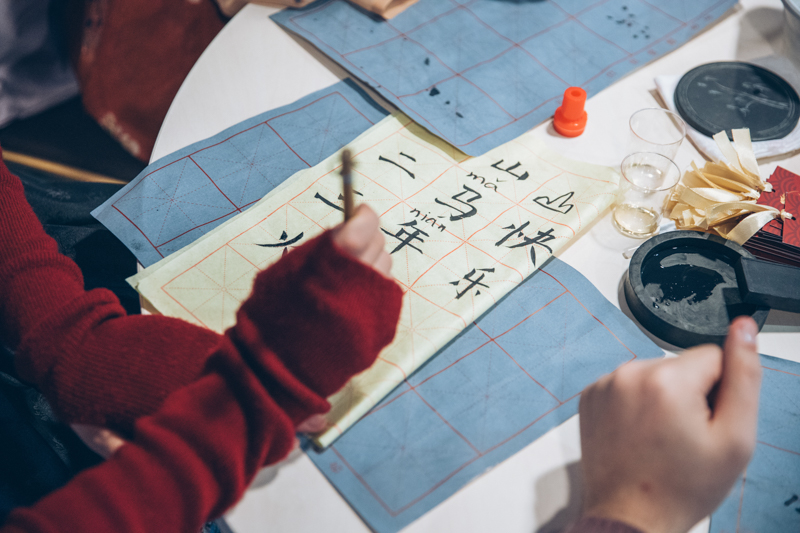  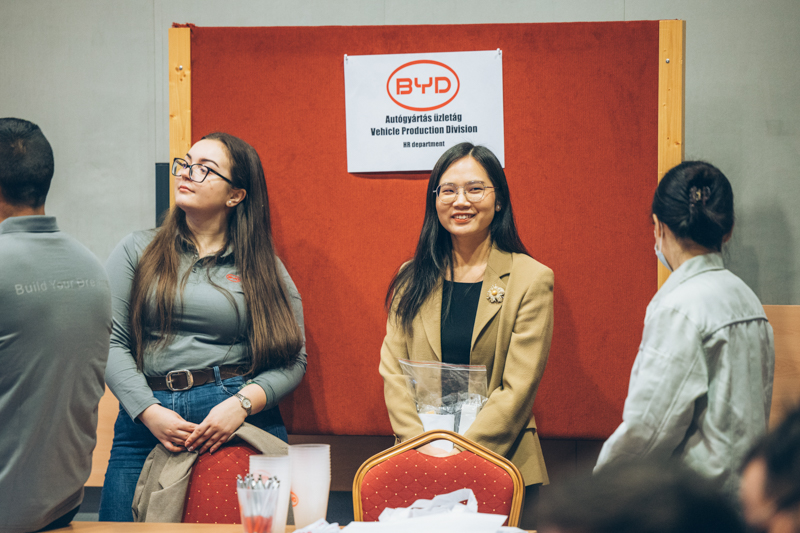  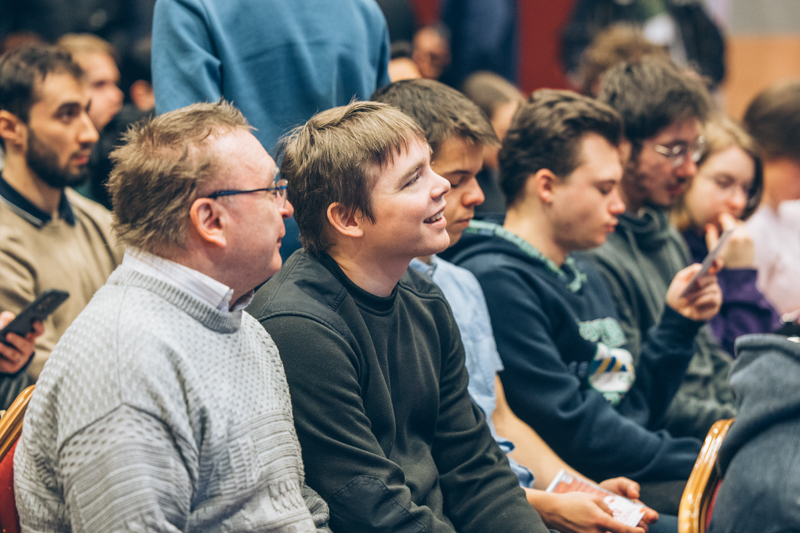 |
| Spring festival. Photos by Dávid Miskolci |
Original Hungarian article by Tímea Fülöp
Photos by Dávid Miskolci and Ádám Kovács-Jerney
Feature photo: Traditional Chinese Tea Ceremony. Photo by Dávid Miskolci