The Károly Kogutowicz Map and Data Repository bears the name of its founder in recognition of his tireless organizational work in building and expanding the collection. In 2009, marking the Repository’s 90th anniversary, a visit by his grandson, Charles Nilsen – who lives in Australia – provided a symbolic occasion to formally adopt the name.
Following the Treaty of Trianon, in 1923, Károly Kogutowicz set out to rebuild the University’s collection of teaching materials by mobilizing support from institutions both in Hungary and abroad, including partners as distant as Egypt and Canada. What began with just 98 maps expanded within a year to 700 maps and nine globes used in instruction. By the time the repository was relocated to the third floor of its host building, the collection had already reached three thousand map sheets.
During the 1929–1930 academic year, Rector István Győrffy visited the Institute of Geography and observed that “its equipment surpassed that of comparable facilities in Cluj,” then a major academic center and the University’s former seat.
This exceptionally valuable collection is nearly unparalleled in Hungary. To open it up to a wider audience,
Dr. József Szatmári, Associate Professor at the University of Szeged’s Institute of Geosciences, has developed an
ArcGIS StoryMaps site where users can explore these rare materials through an interactive, map-based experience.
From antiquity to the present day, maps – often described as the “mirror of our Earth” – have played a fundamental role in geographic research and the Earth sciences. While the digital revolution of the past forty years has transformed cartography and opened up new possibilities, it has also gradually pushed traditional paper maps to the margins, even as their enduring cultural and scientific value and distinctive aesthetic appeal remain unchanged.
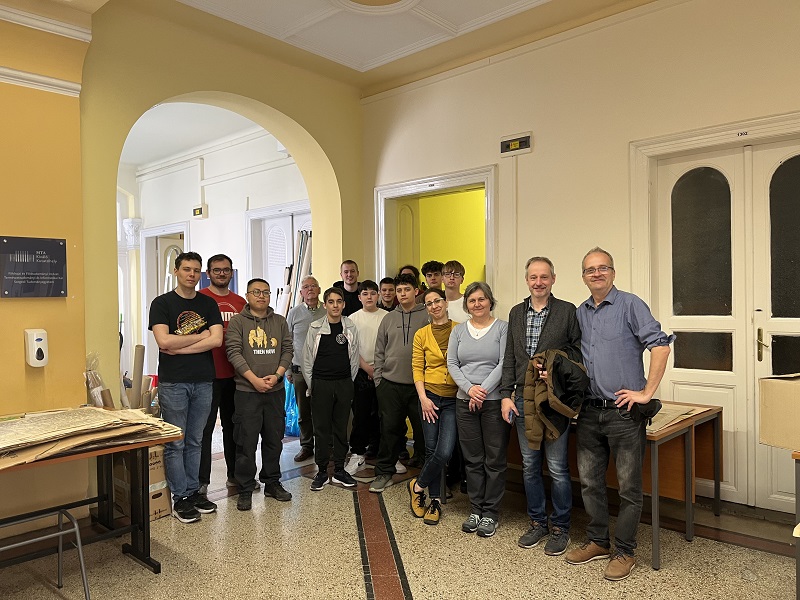
“Preserving our traditions and the values we have inherited has always been a priority at the Institute of Geosciences of the University of Szeged. Equally important is carrying this legacy forward – ensuring that it continues to inspire and guide future generations. For this reason, we have been pleased to support the long-standing professional collaboration between the Hungarian Geographical Museum and our Institute,” emphasized Prof. Dr. Elemér Pál-Molnár, Head of the Institute of Geosciences at the Faculty of Science and Informatics of the University of Szeged.
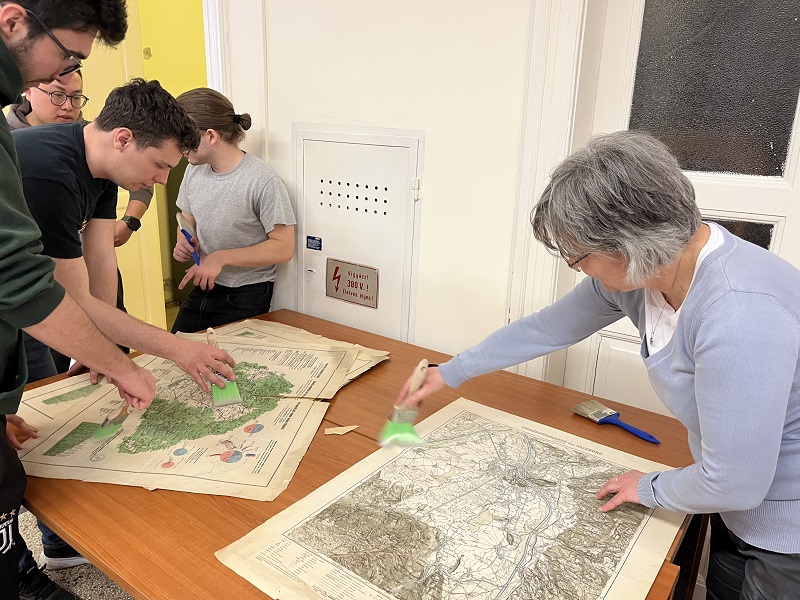
The professor added: “The partnership began with the digitization of the estate of Gyula Prinz, a geographer and honorary doctor of our University, as well as with the creation of a permanent exhibition focused on his early 20th-century expeditions in Central Asia. Today, this collaboration has entered a new phase: together with our dedicated PhD candidates, master’s students in geography, and undergraduate students, we have begun cataloguing our map collection, uncovering and digitizing long-forgotten treasures along the way.”
“While the project is still in its early stages, it has already revealed a remarkable array of rare and fascinating maps. Cataloguing and digitizing a collection of several thousand items will take time – months, perhaps years – yet it is already clear that the collection offers a striking cross-section of cartographic development from the late 17th to the end of the 19th century,” noted
Dr. Péter Szilassi, Associate Professor in the Department of Physical and Environmental Geography at the Faculty of Science and Informatics of the University of Szeged, who oversees the collection and initiated the project.
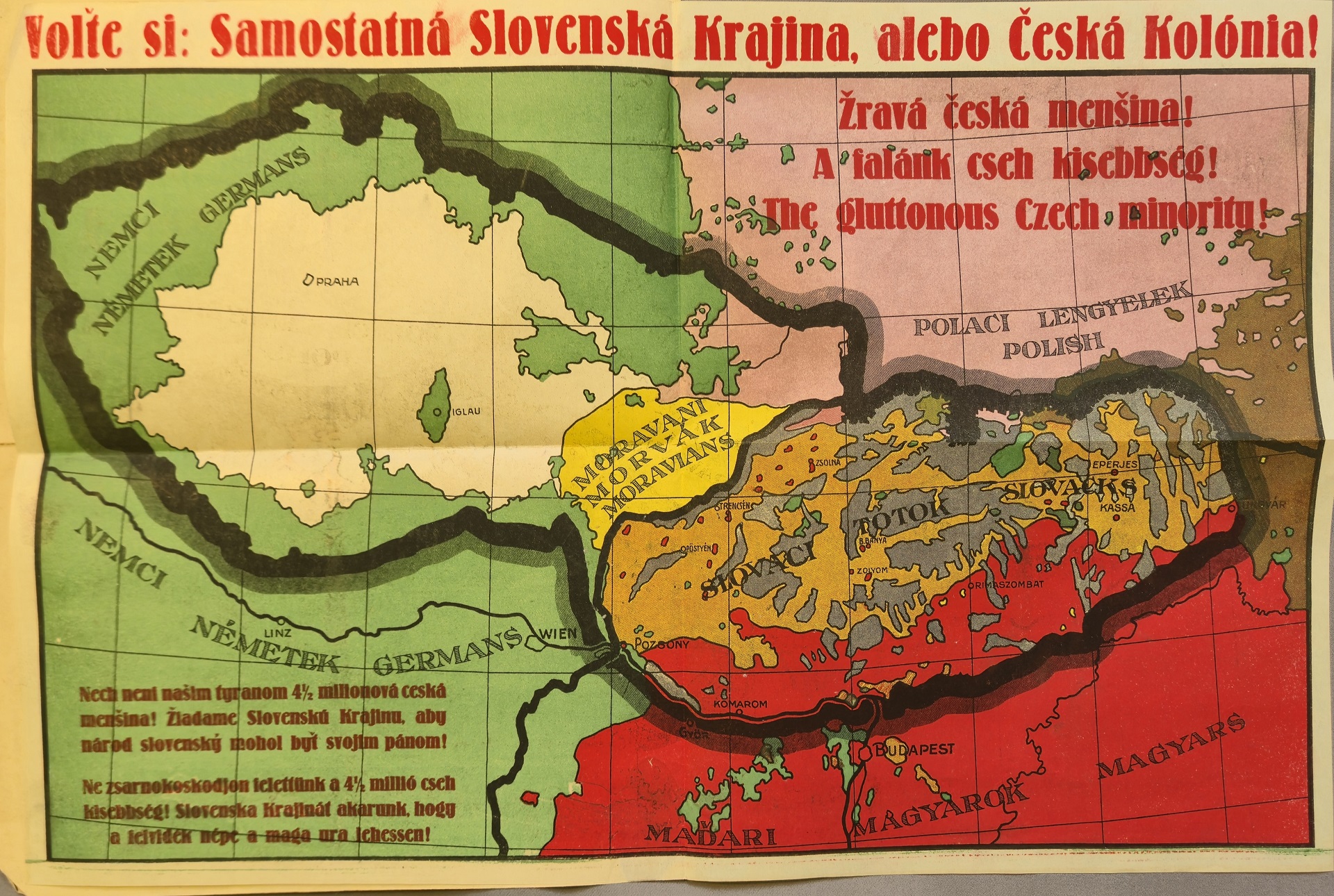
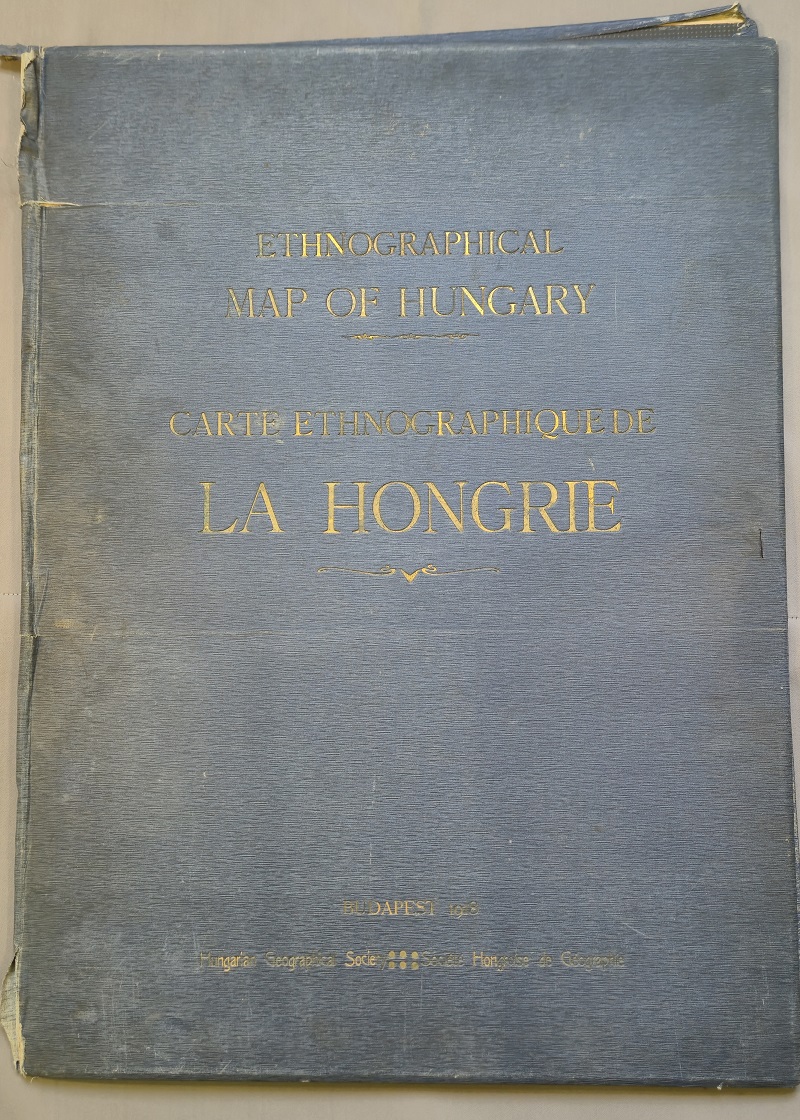
Of the hundreds of maps reviewed to date, many have proven to be rare and exceptional works of cultural and scientific significance. Between 1924 and 1945, Károly Kogutowicz – the University of Szeged’s first professor of geography and a member of one of Hungary’s most prominent mapmaking families – played a defining role in the field. His maps of the Austro-Hungarian Monarchy are now regarded as seminal artifacts embodying landmark achievements in the history of science.
Kogutowicz’s maps, produced during the preparatory phases of the Treaty of Trianon negotiations and later the Vienna Awards, are also of outstanding value to historians. Some have survived as manuscript maps bearing his own handwritten annotations – unique documents that offer rare insight into the period.
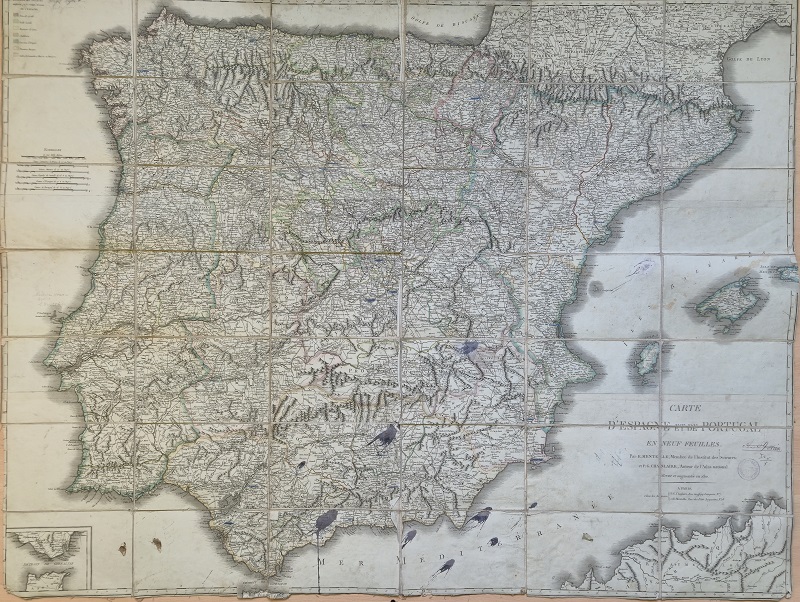
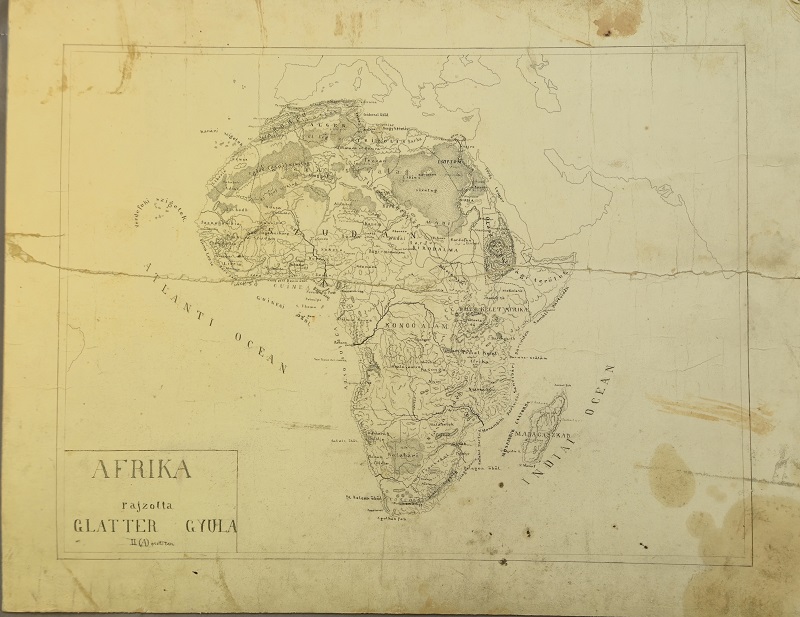
Among the highlights of the collection are manuscript cadastral maps produced in Italy in the late 17th century, as well as in Hungary during the 18th and 19th centuries. These documents offer unique insights into land use and property structures prior to the regulation of rivers and the implementation of flood control, which profoundly reshaped the landscape.
The collection also includes valuable 18th-century lithographic atlas maps, whose intricate detail, hand coloring, and heraldic ornamentation make them not only important scientific sources but also striking works of art.
Geographers and museum professionals are now actively engaged in processing, archiving, and digitizing the collection. Looking ahead, its long-term preservation will depend on the creation of appropriate, professionally managed storage infrastructure – ensuring that these maps remain both accessible and protected for generations to come.
Original Hungarian article by Ferenc Lévai
Photos: SZTE Institute of Geosciences, Faculty of Science and Informatics / Dr. József Szatmári