Psoriasis is a chronic inflammatory skin disease driven by the immune system and affects an estimated 2–3 percent of the global population. While modern biologic therapies have transformed care for many patients, 20 to 30 percent still live with stubborn, treatment-resistant lesions – most often on the limbs, scalp, and in skin folds. For these patients, the disease means far more than visible skin symptoms: it can bring ongoing physical discomfort, emotional strain, and a serious impact on everyday life.
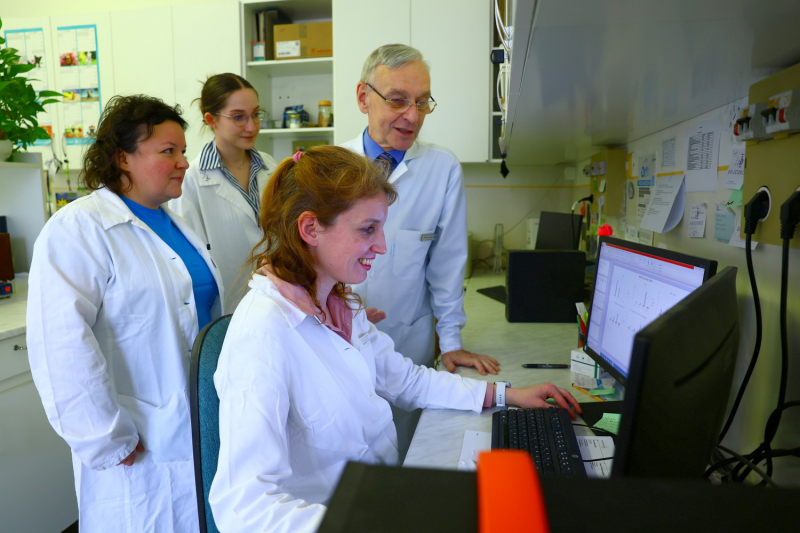
What makes the IMPRESS project particularly innovative is its focus on the underlying mechanisms of resistance, examined not in general terms but at the level of local processes unfolding in the skin itself. Using cutting-edge methods such as spatial transcriptomics and single-cell RNA sequencing, the researchers will map the spatial organization of cells and analyze how they behave in healed, active, and treatment-resistant skin areas. This approach may provide a much clearer understanding of why inflammation persists in certain plaques even when other areas of the skin are already improving.

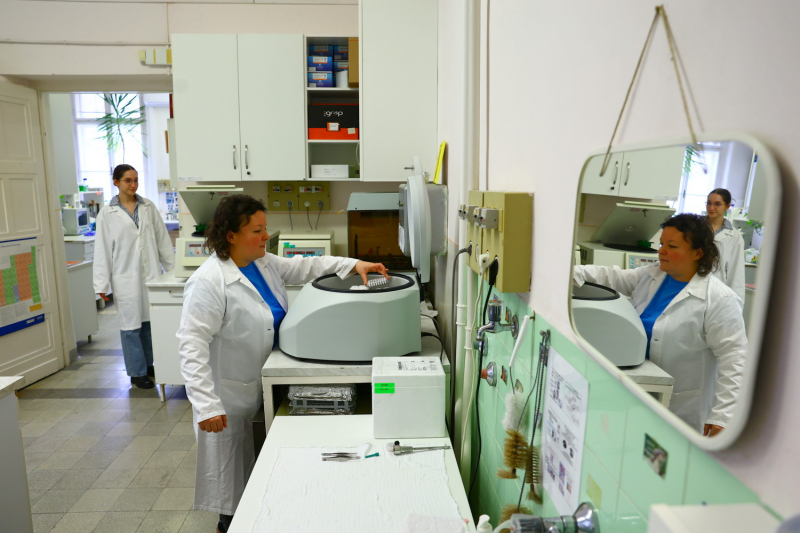
Running from 2026 to 2029, the IMPRESS program is structured in three interconnected phases. It begins with the collection of patient samples and the identification of the molecular drivers of treatment resistance. The second phase moves from discovery to development, as researchers create a locally administered cell therapy based on mesenchymal stromal cells (MSCs) in a standardized, GMP-compliant setting. In the final phase, the project enters the clinical stage: a proof-of-concept study will evaluate intradermal MSC treatment in patients with treatment-resistant psoriasis, assessing its safety, tolerability, and biological effects.
One of the project’s most important real-world goals is to open up a new therapeutic pathway for a patient group that remains largely underserved. If the clinical results prove favorable, IMPRESS could help pave the way for more personalized and precisely targeted treatments, even in the most difficult-to-manage cases of psoriasis. In the longer term, the initiative may also contribute to reducing the healthcare, social, and economic burden associated with the disease.

The project is being carried out by an international consortium led by the University of Szeged, with Prof. Dr. Lajos Kemény serving as the program’s professional lead. SZTE is responsible for the clinical work, its integration into patient care, and the execution of the study. A central pillar of the research is provided by Prof. Dr. Enikő Sonkoly of Uppsala University, whose expertise in high-resolution molecular profiling and bioinformatic analysis is key to the program.

The consortium also includes the Barcelona-based Servei de Teràpia Cel·lular del Banc de Sang i Teixits (STC/BST), a key public institution specializing in cell therapy services, where Dr. Joaquim Vives contributes to the project’s clinical translation with expertise in GMP-compliant cell manufacturing and the regulatory framework required for future application. The program is further supported by two internationally recognized scientific advisors: Prof. Chris Griffiths (University of Manchester) and Dr. Su Lwin (King’s College London).
Among the project’s expected outcomes are a detailed molecular map of therapeutic resistance, the identification of new biomarker candidates, an MSC-based product prepared for clinical use, and early clinical data on safety and efficacy. Beyond these scientific and clinical milestones, the consortium also aims to translate these results into high-impact Q1 publications, conference presentations, and a research data resource structured in line with FAIR principles.
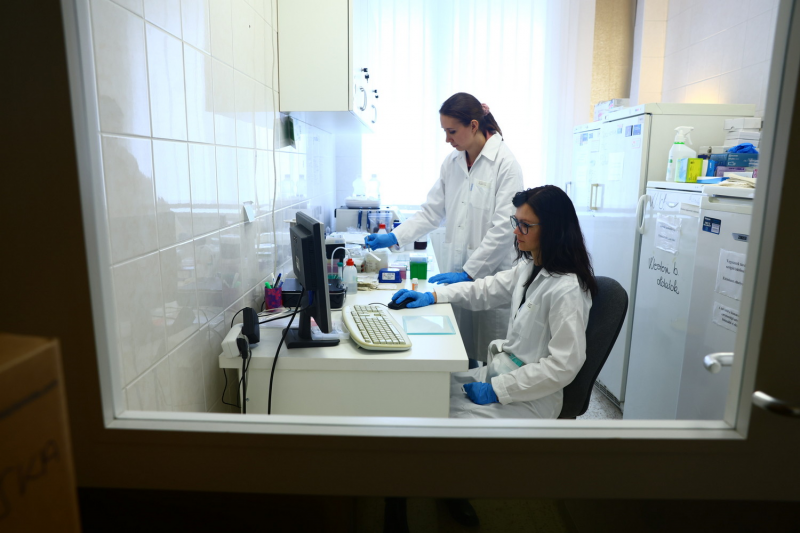
IMPRESS combines scientific ambition with a strong commitment to patients: to reveal why certain psoriasis lesions remain persistently resistant and to translate that knowledge into a new, safe treatment pathway that could meaningfully improve patients’ quality of life.
The launch of IMPRESS was shaped not only by scientific excellence but also by a strong innovation ecosystem at the University of Szeged. Within this framework, the Clusters for Life Sciences and for Physical Sciences at the University’s Center of Excellence for Interdisciplinary Research, Development, and Innovation (IKIKK) coordinated the development of HU-RIZONT project ideas and the preparation of grant proposals, including the IMPRESS program. Their contribution helps transform promising ideas into internationally competitive research with the potential to shape future clinical practice.
Project ID: 2025-1.2.1-HU-RIZONT-2025-00069
Professional lead: Prof. Dr. Lajos Kemény
Source: SZTEinfo
Photos by Anna Bobkó
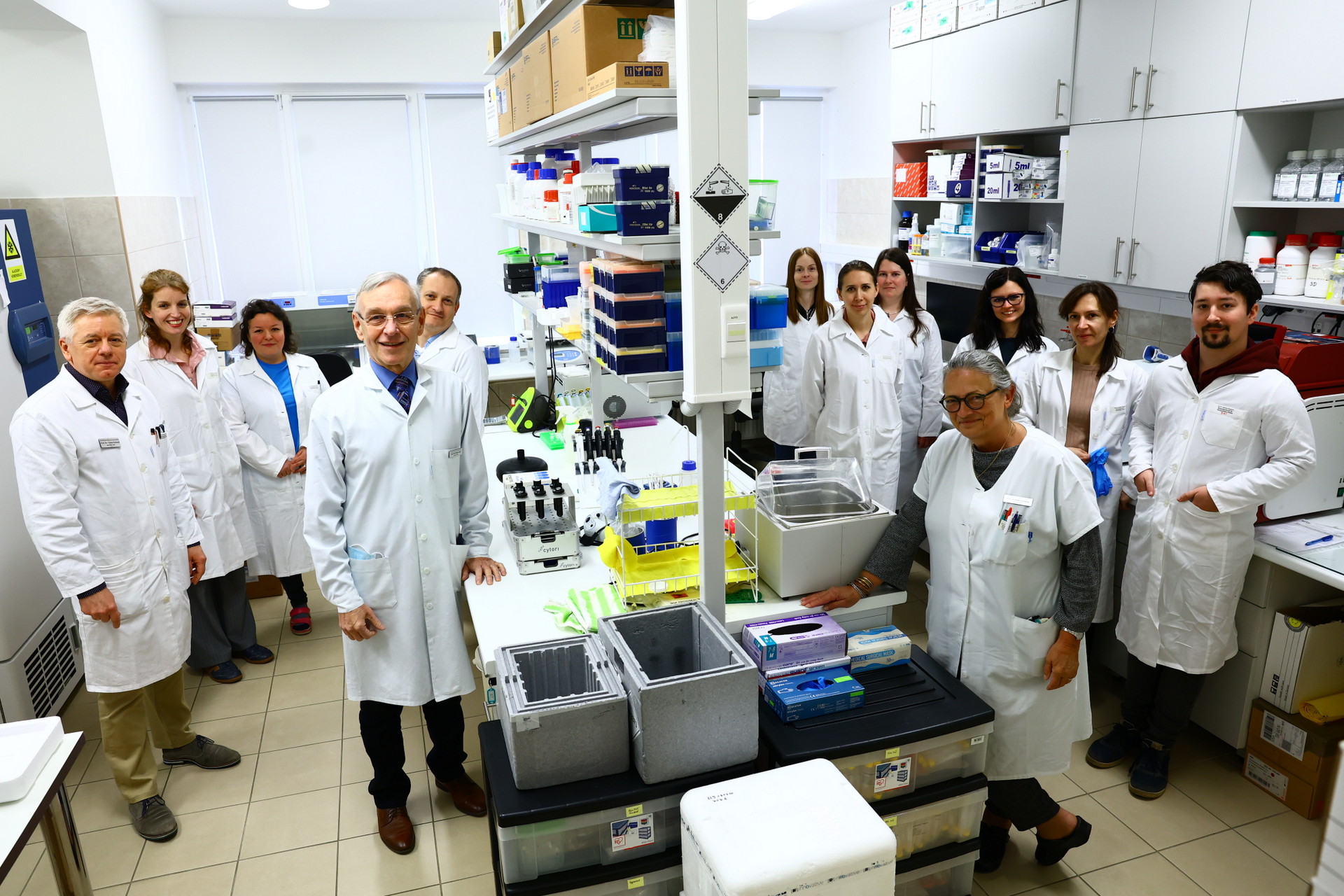
Feature photo: Prof. Dr. Lajos Kemény with his research team