Nanoplasthub 2026
International Forum on Submicron Plastic Contaminants
September 17-19, 2026
Szeged, Hungary
September 17-19, 2026
Szeged, Hungary
It is our great pleasure to invite you to the International Forum on Submicron Plastic Contaminants (NanoPlastHub2026), to be held in the picturesque city of Szeged, Hungary, from September 17th to 19th, 2026.
The forum is organized by the NanoPlastHub Research Cluster established at the University of Szeged in 2024. As a new research initiative, we are keen on learning from internationally recognized experts in the field of plastic pollutants. We would be pleased to have you in Szeged during the NanoPlastHub2026 Conference, which marks our first appearance in the area of plastic contaminants.
The meeting will focus on the latest scientific and technological developments related to plastic contaminants below one micrometer in size. Topics include, but are not limited to:
We invite researchers, scholars, professionals, and enthusiasts to present their latest findings and innovations through oral presentations or poster sessions. The conference will feature enlightening keynote lectures, serving as the cornerstone for each session in the final program.
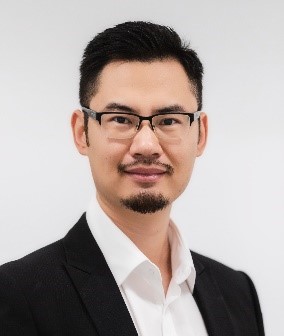
University of Southern Denmark
Dr. Elvis Genbo Xu is an Associate Professor and Sapere Aude Research Leader at the University of Southern Denmark. His research focuses on eco- and environmental toxicology, particularly the impacts of micro- and nanoplastics on aquatic ecosystems. He integrates marine biology, molecular toxicology, and toxicogenomics to investigate how pollutants affect ecosystems and human health. With over 120 publications, Xu leads interdisciplinary projects that contribute to understanding ecological risks and developing strategies to mitigate environmental pollution.
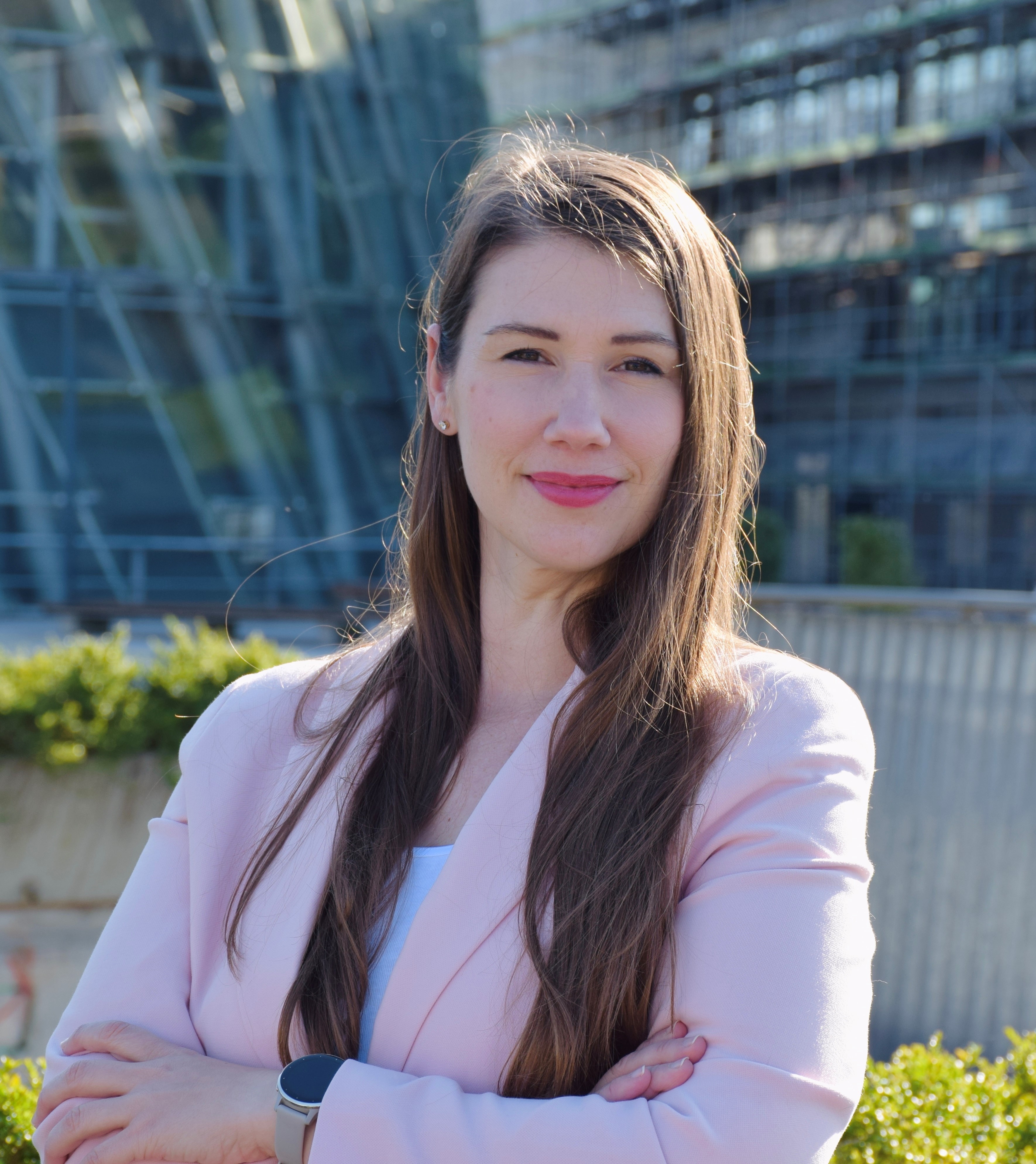
University of Ljubljana
Dr. Gabriela Kalčikova is an associate professor and researcher at the Faculty of Chemistry and Chemical Technology, University of Ljubljana, Slovenia. Her research focuses on micro/nanoplastic pollution, particularly the preparation and characterization, as well as their environmental fate, aging, transport, and ecotoxicological effects. She is also actively involved in developing solutions to reduce plastic pollution in the environment. Dr. Kalčikova leads a dedicated research group on plastic pollution and serves as principal investigator on several national and international projects. She has published numerous scientific articles and book chapters on the topic and actively contributes to international collaborations in the field of environmental science.

University of Queensland
Dr Cassandra Rauert is a Senior Research Fellow at the Queensland Alliance for Environmental Health Sciences and microplastics research lead in the Minderoo Centre- Plastics and Human Health at the University of Queensland. Her research focuses on developing robust and reliable methods for detecting micro and nanoplastics in human and environmental matrices.

University of Brescia
Stefania Federici is an Associate Professor at the University of Brescia, Italy, where she leads activities in the Chem-Bio-Nanointerfaces Division at the Chemistry for Technologies Laboratory. Her research focuses on the characterization, aging, and environmental impact of micro- and nanoplastics, with particular interest in their interactions at the nanoscale with environmental and biological systems. She is actively involved in national and international research and collaborative projects. Beyond research, she is engaged in dissemination, stakeholder involvement, and promoting interdisciplinary approaches to sustainable materials and environmental health.

EPFL, Switzerland
Dr. Florian Breider is the head of the Central Environmental Laboratory at Ecole Polytechnique Fédérale de Lausanne – EPFL, Switzerland. He studied environmental chemistry and physics at the University of Lausanne and earned his PhD in isotope biogeochemistry from the University of Neuchâtel. He then worked as a research associate at Tokyo Institute of Technology. His research focuses on the fate and effects of micropollutants and micro/nanoplastics in ecosystems, and their implications for human health.
Institute of Environmental Sciences (CML) of the Faculty of Science of Leiden University
- Prof. Dr. Willie Peijnenburg is Professor at the Institute of Environmental Sciences (CML) of the Faculty of Science of Leiden University, Leiden (The Netherlands), research chair “Environmental Toxicology and Biodiversity”, and senior researcher at the National Institute of Public Health and the Environment (RIVM), Bilthoven (The Netherlands). His research profile is best characterised as being based on long-years’ experience in the areas of chemical fate and safety assessment, whilst gradually moving in the broad theme of LCA-based Safety and Sustainability by Design (SSbD) assessment. This theme allows to integrate his chemical safety experience with Life Cycle Assessment (LCA), Life Cycle Impact Assessment (LCIA), Economic and Social costing, and SSbD assessment. His research in the area of chemical fate and safety assessment has resulted in over 520 scientific publications. Thereupon, he recently published around 20 papers on LCA/SSbD-related topics including a framework for SSbD for batteries.
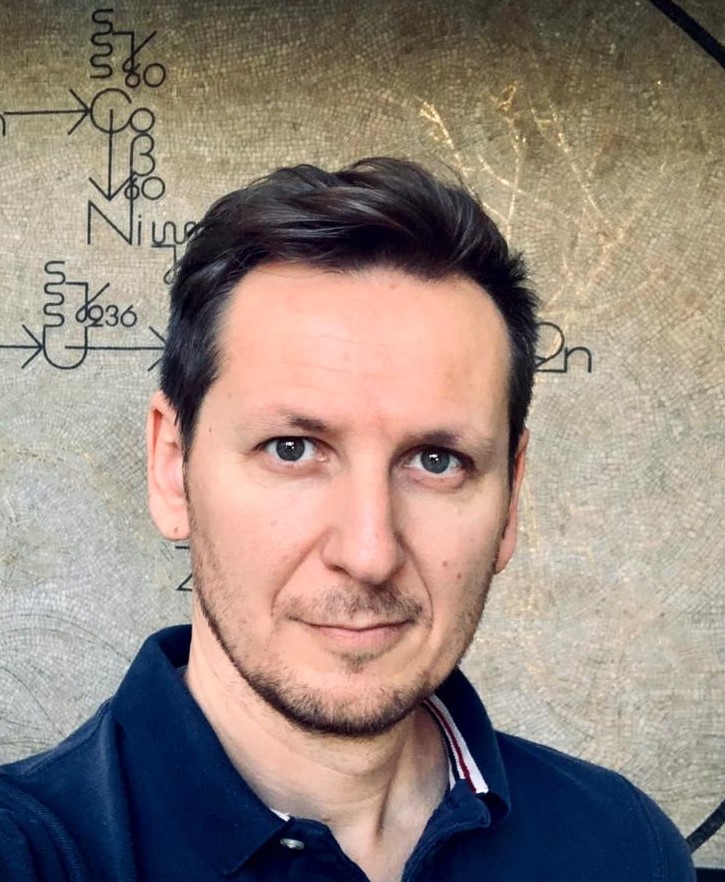
Helmholtz Centre for Environmental Research - UFZ in Leipzig, Germany
Dr. Dušan Materić (Matt) is an environmental analytical scientist and group leader at the Helmholtz Centre for Environmental Research – UFZ in Leipzig, Germany. He leads the Microplastics, Nanoplastics and Elements (MNE) research group, developing cutting-edge mass-spectrometric methods for the detection and quantification of nanoplastics in environmental and biological systems. His work has revealed the presence and global transport of nanoplastics from remote glaciers to human tissues, and he actively coordinates international field campaigns and inter-laboratory harmonization efforts. He also serves as Associate Editor at iScience (Cell Press, Elsevier).

University of Szeged
Dr. Gábor Feigl is an Associate Professor at the University of Szeged, Hungary, and leader of the Environmental Plant Biology Group and the MTA-SZTE Lendület “Momentum” Anthropogenic Stress and Plant Resilience Research Group. His research focuses on plant responses to anthropogenic stressors, with particular emphasis on nanomaterials, micro- and nanoplastics. Working at the interface of plant physiology, environmental toxicology and applied biotechnology, he investigates how emerging pollutants and combined stress scenarios affect early plant development, root architecture, nitro-oxidative signalling and stress-related biomarkers. His work contributes to understanding plant-plastic interactions in terrestrial ecosystems and their implications for sustainable agriculture.
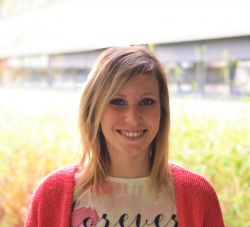
Hasselt University - Hasselt, Belgium
Nelly Saenen is appointed as a 90% FWO Senior Postdoctoral Fellow and a 10% Assistant Professor at Hasselt University. She is part of the Zoology: Biodiversity and Toxicology group at the Centre for Environmental Sciences (CMK). She studied Biology and Environmental Health Sciences at Hasselt University and obtained her PhD in Biology, focusing on the effects of air pollution on (neuro)development. Her expertise lies in molecular epidemiology and particle toxicology, where she integrates in vitro model systems with human tissues and combines molecular approaches with advanced imaging techniques. She applies these methods to investigate how environmental and food-related particles affect human health.
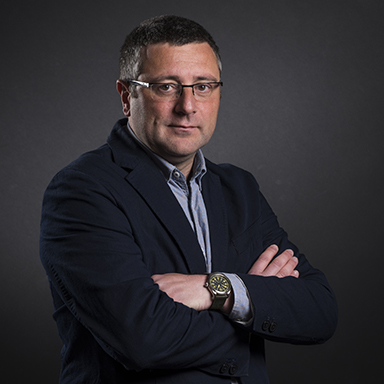
University of Salerno (Italy)
Luigi Rizzo is Associate Professor in Sanitary and Environmental Engineering at Department of Civil Engineering, University of Salerno (Italy). He is the Coordinator of the "International PhD School on Advanced Oxidation processes"; External expert of European Commission "Scientific Committee on Health, Environmental and Emerging risks (SCHEER)" (he was member of the SCENIHR); Editor of “Journal of Environmental Chemical Engineering” (Elsevier) and he was editor for “Water Science and Technology” journal (IWA publishing) (2011-2023); Co-founder and president of the AOP4Water spin-off of the University of Salerno; He was Chair of the 7th International Conference on Environmental Applications of Advanced Oxidation Processes (EAAOP-7), 10-13 June 2025, Paestum-Capaccio (SA), Italy. His main research interest is water/wastewater treatment and disinfection by advanced oxidation processes (AOPs) and in particular: 1. advanced treatment of urban wastewater for pathogens inactivation, removal of contaminants of emerging concern and control of antibiotic resistance spread into the environment; 2. effect of microplastics on advanced treatment of urban wastewater; 3. industrial wastewater treatment by combination of AOPs and biological processes.

Oral Presentations
Poster Presentations

Located in the heart of Szeged, the SZTE József Attila Tanulmányi és Információs Központ (SZTE TIK) serves as a central academic hub, situated near the university campus and within walking distance of major city landmarks.
Address: Szeged, Ady tér 10, 6722
Car: Szeged can be reached by motorways from north (M5, Budapest), south (M5, Serbia) and east (M43, Romania). Please note that the motorway is not toll-free; a 10-day vignette for a passenger car (category D1) costs 6,900 HUF (approximately 18 EUR, purchase online: https://www.hungary-vignette.eu/en). Parking in the vicinity of the conference venue is subject to municipal parking regulations and fees.
Plane/Train: From Budapest (Liszt Ferenc) Airport, take bus 200E towards the city, getting off at either Ferihegy or Kőbánya-Kispest train station. Trains to the destination (Szeged train station) depart hourly, and the journey takes a little over two hours. It is recommended to purchase the more expensive “IC” (InterCity) ticket, which includes a reserved seat. One-way ticket costs around €10 (3780 Ft) and can be bought online ( https://jegy.mav.hu).
Bus: Regular long-distance coaches operate from Budapest and other major Hungarian cities, as well as from several European destinations. For instance, direct routes are available via FlixBus ( https://www.flixbus.com), providing convenient international connections to Szeged.
Public transport: Szeged has an efficient network of trams and buses operated by “Szegedi Közlekedési Társaság” ( https://szkt.hu/en/), and the conference venue is easily accessible by public transport and within comfortable walking distance from the city centre.
Limited number of rooms is reserved for participants at the ArtHotel Szeged (Somogyi utca 16, walking distance from the conference venue and recommended by the Michelin Guide) during the early bird registration period using the keyword NanoPlastHub2026.
Additional accommodation options nearby include:
Abstract submission for oral/poster presentations is closed.
Registration for non-presenting participants is possible until 31 August 2026.
Click here to access the registration and abstract submission page.


Have a question? Contact us: e-mail: nanoplasthub@szte.hu; Phone: +36 62 343255